


Words from Programme Director
Master of Economics
The Master of Economics Programme at the HKU Business School aims to introduce students to frontier developments in economics and to equip them with state-of-the-art analytical tools. Our comprehensive curriculum has multiple learning streams and helps students connect economic theory with real world business. As a student on this course, you will have the opportunity to take part in in-depth discussions and conduct studies on China economics from Hong Kong’s unique perspective. The school boasts a top-class teaching faculty with strong economists and outstanding alumni and mentors, as well as an active research environment, with long-term collaborative research opportunities available both within and outside the faculty. The programme also provides students with a strong foundation for PhD study, should they choose to continue their studies, and Master of Economics students can also apply to complete their PhD overseas through the Theory stream.
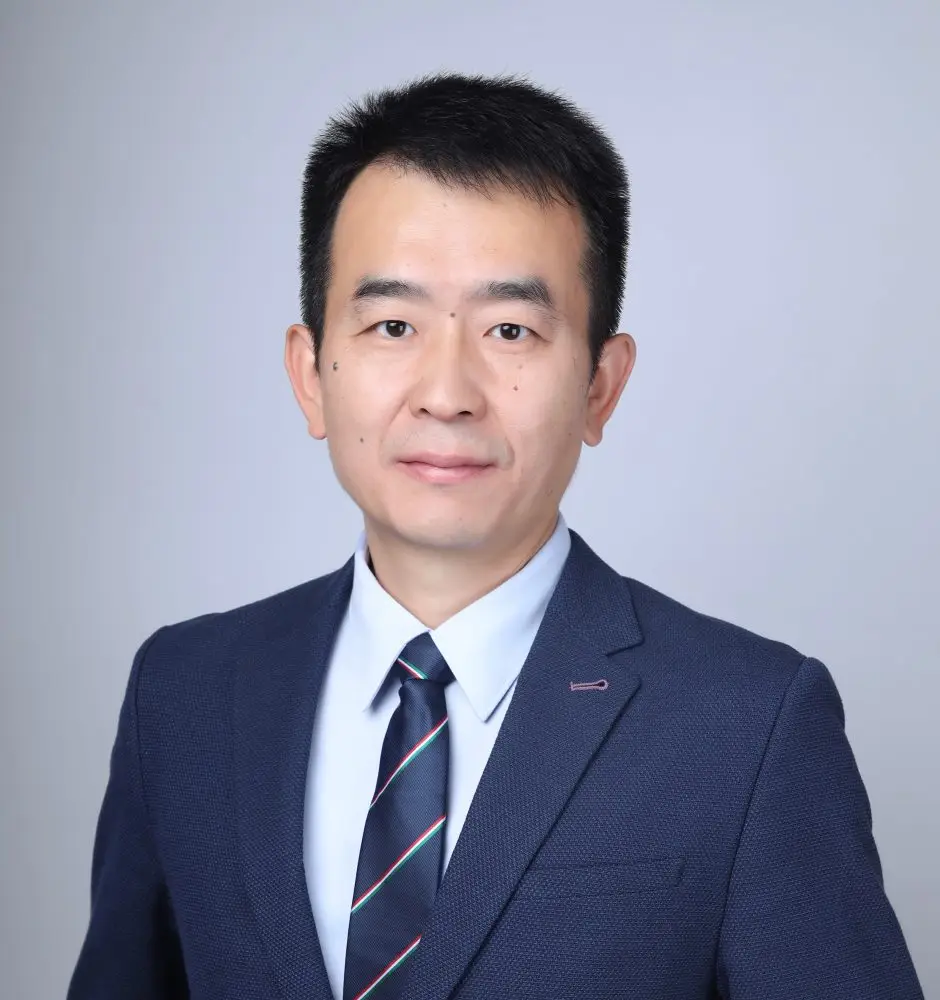
Welcome to the Master of Economics Programme at HKU Business School. Below are the 5 most frequently asked questions by our applicants and we have them answered by Prof. Hongsong ZHANG for you to catch a glimpse of the MEcon Programme.
The Theory stream provide a stepping stone for doctoral studies in economics, whilst Data Analysis offers rigorous training of data analysis for our students. The Policy Analysis stream is an ideal curriculum for understanding the making of economic policies, with a special emphasis on China.
Economics studies the workings of our economy, interactions of individuals and the impacts of institutions, which lays the foundation for understanding the fast-changing business environment. It provides us with a rigorous and coherent framework to understand human behaviour at the individual and aggregate levels.
Yes, it is totally possible. Students who choose further academic pursuit will find themselves well-prepared for PhD study at the institute of their choice afterwards.
Whilst our graduates are well-trained to meet the challenges of the emergence of Greater China and the ongoing evolution of Hong Kong as an international finance centre, our courses also blend theory with empirical learning and case studies in the context of the U.S. and European economies.
Our economists conduct both basic and applied research and publish regularly in leading academics journals. There are many opportunities to get involved in our faculty members' research agendas and get real research exposure.
Our Faculty
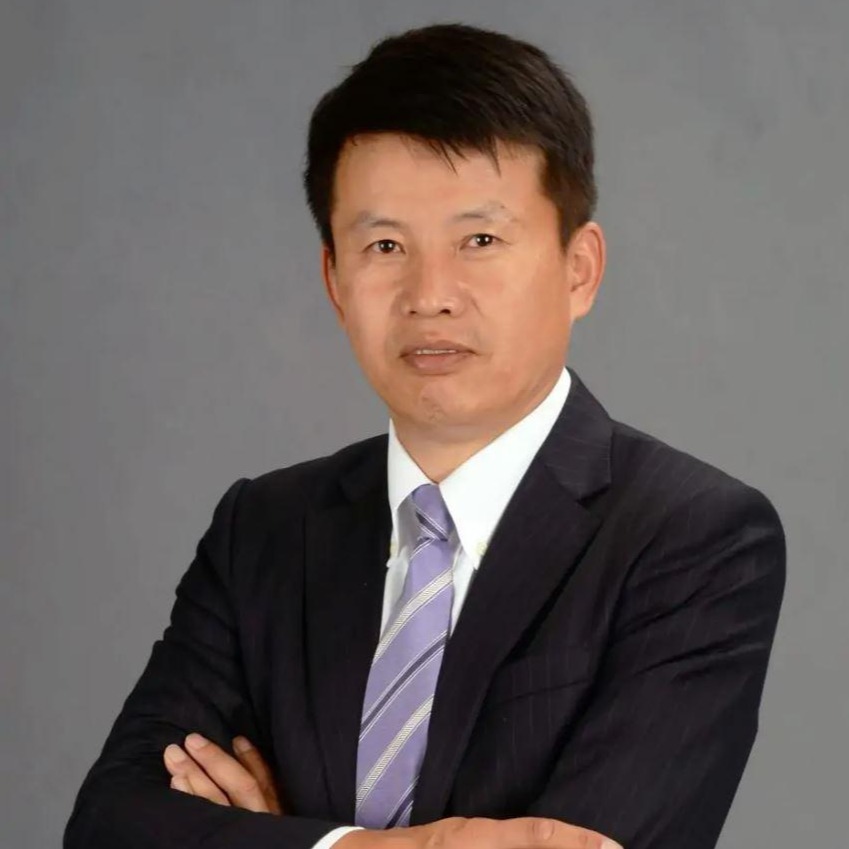
Ph.D., Stanford University, United States, Dean of HKU Business School
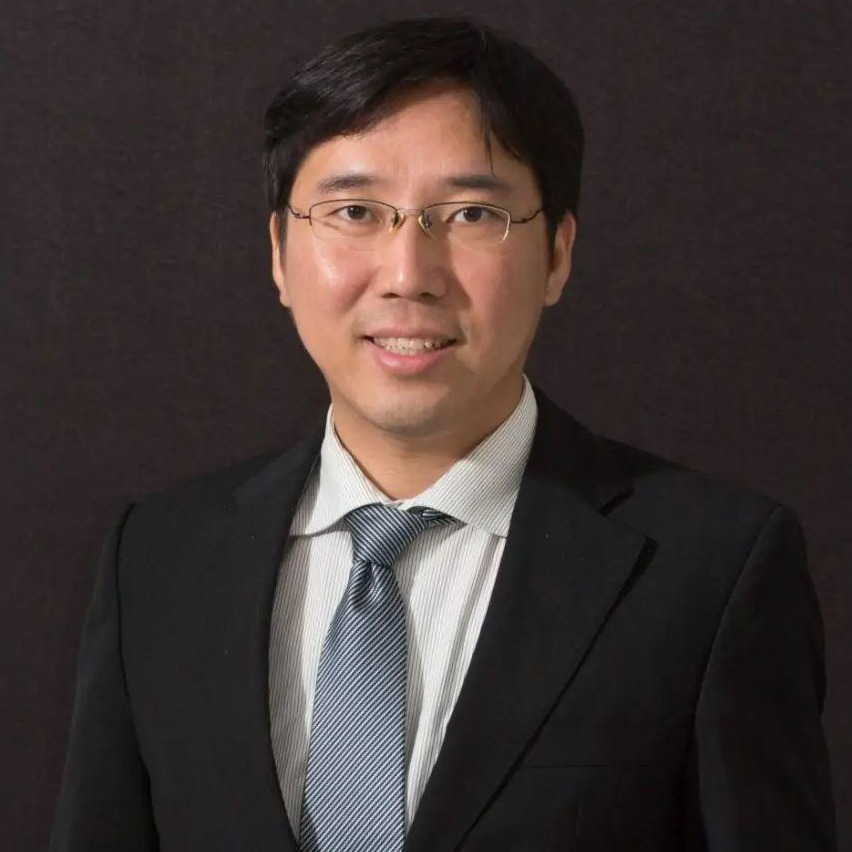
Ph.D., University of Zurich, Switzerland, MEcon Programme Director
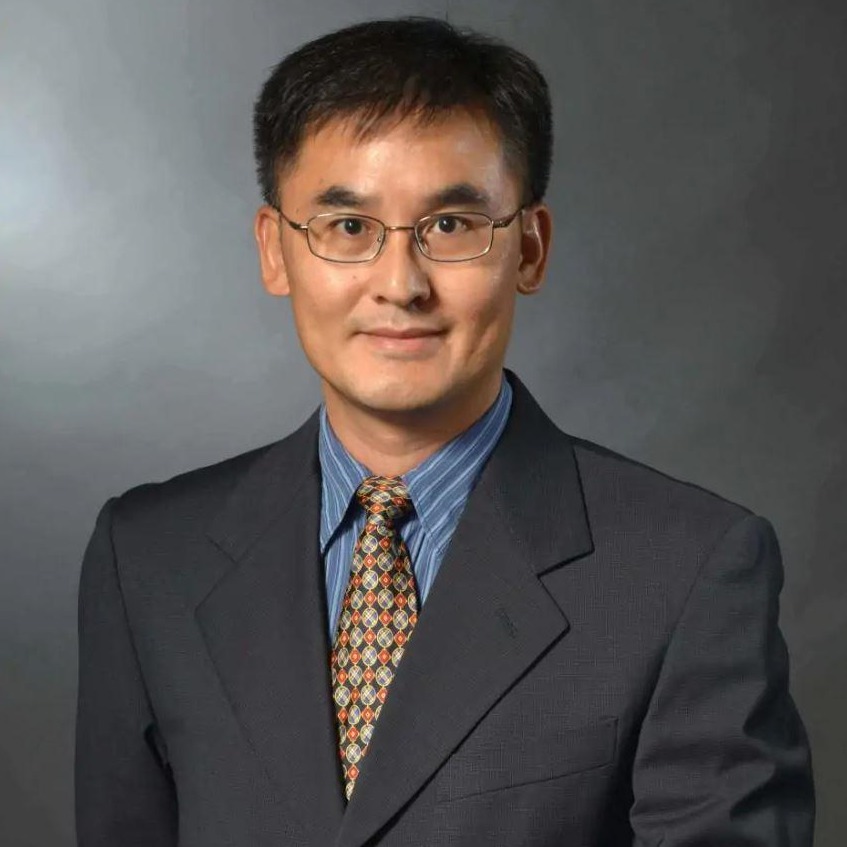
Honorary Associate Professor

Ph.D., The Pennsylvania State University, United States

Ph.D., University of British Columbia, Canada

Ph.D., University of California, Berkeley, United States
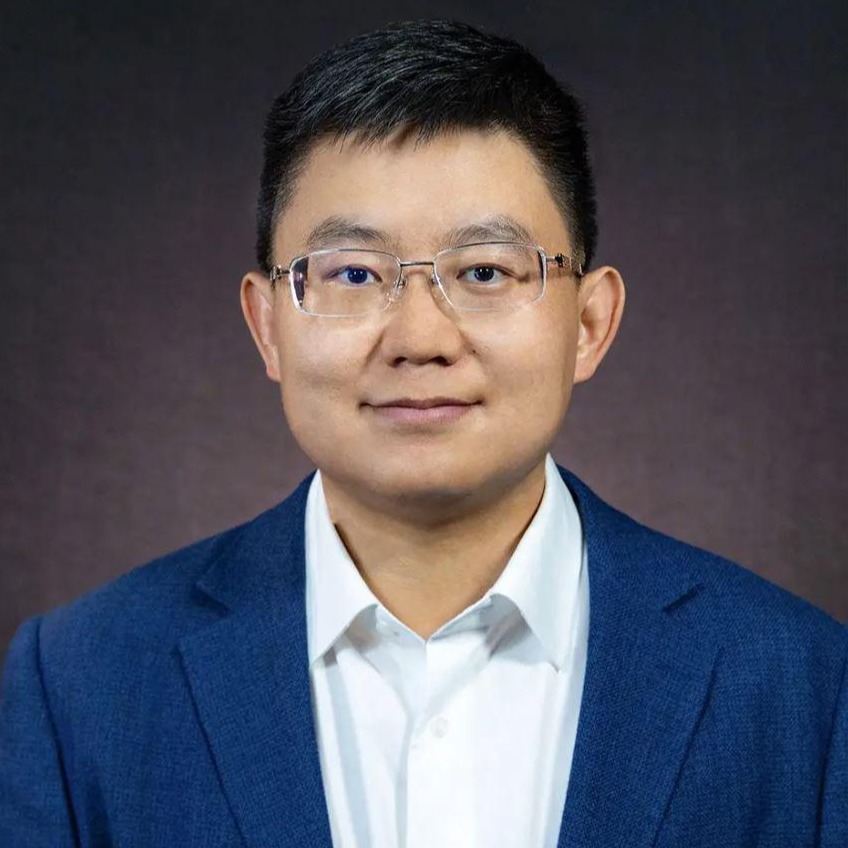
Ph.D., University of California, Berkeley, United States

Adjunct Associate Professor

Ph.D., Princeton University, United States
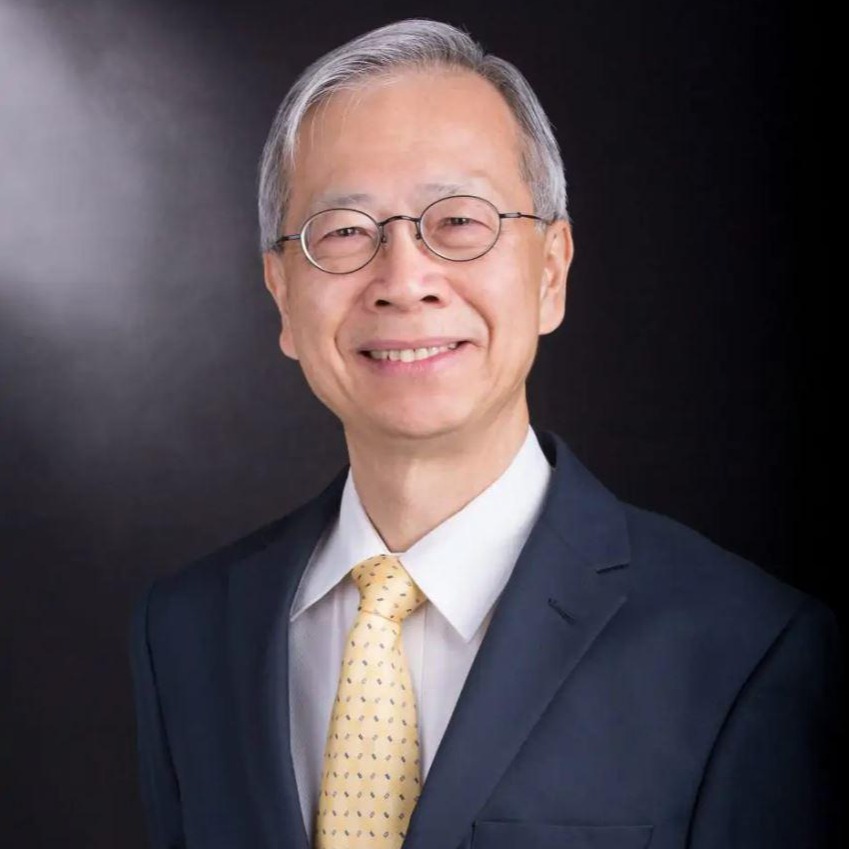
Ph.D., Stanford University, United States

Ph.D., Boston University, United States

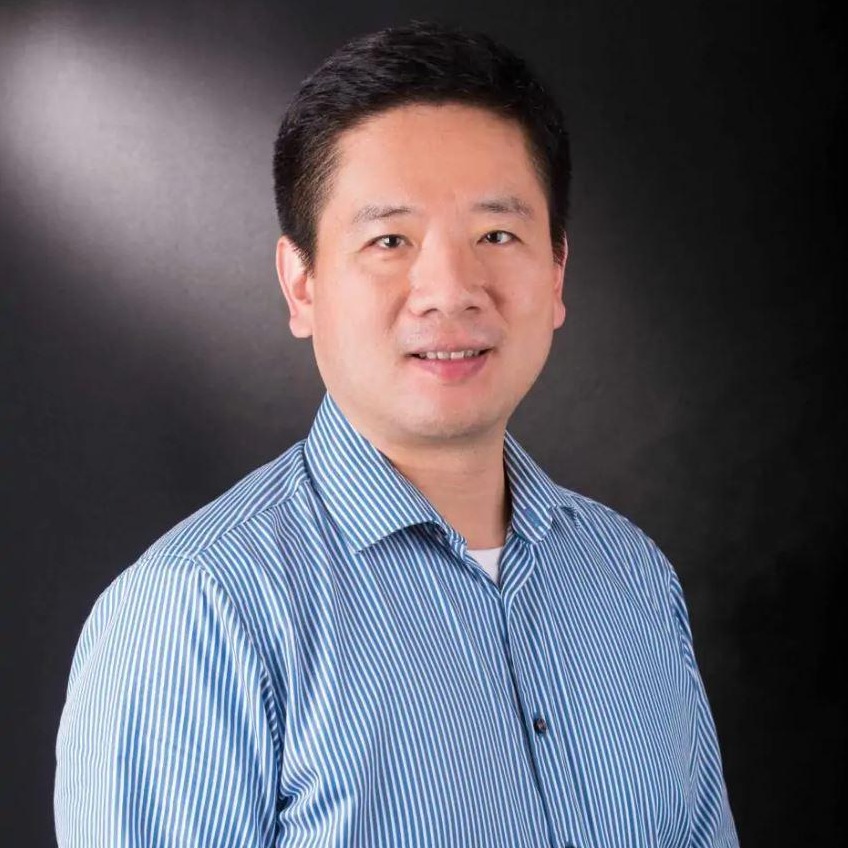

Ph.D., Hong Kong University of Science and Technology, Hong Kong

Ph.D., Columbia University, United States

Ph.D., Northwestern University, United States
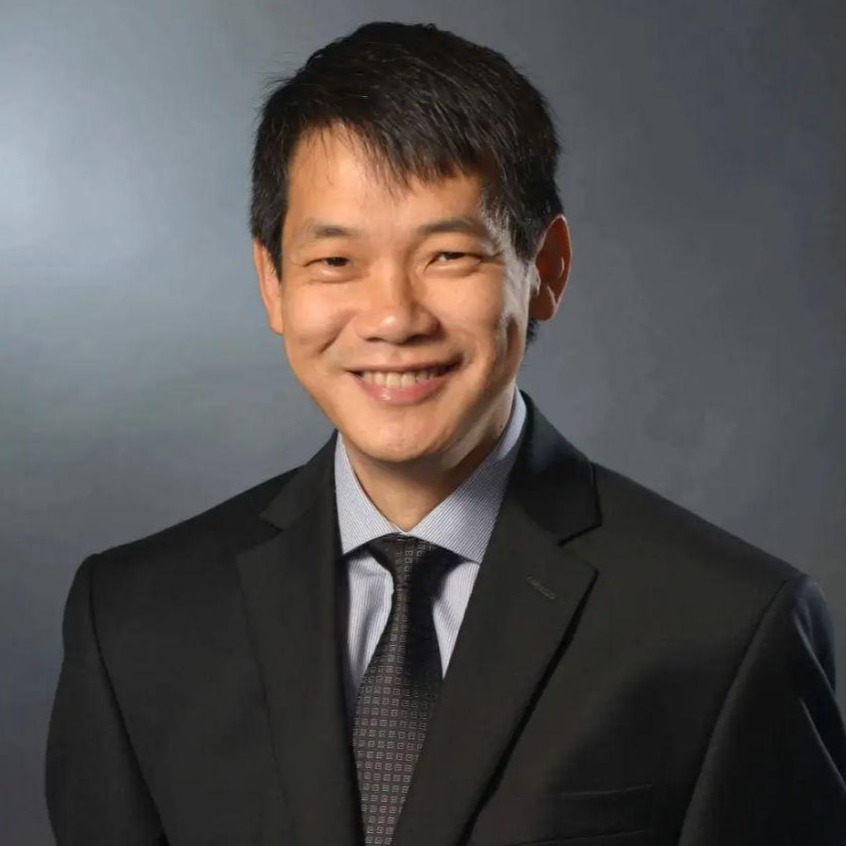
Ph.D., University of Washington, United States

Ph.D., Masschusetts Institute of Technology, United States
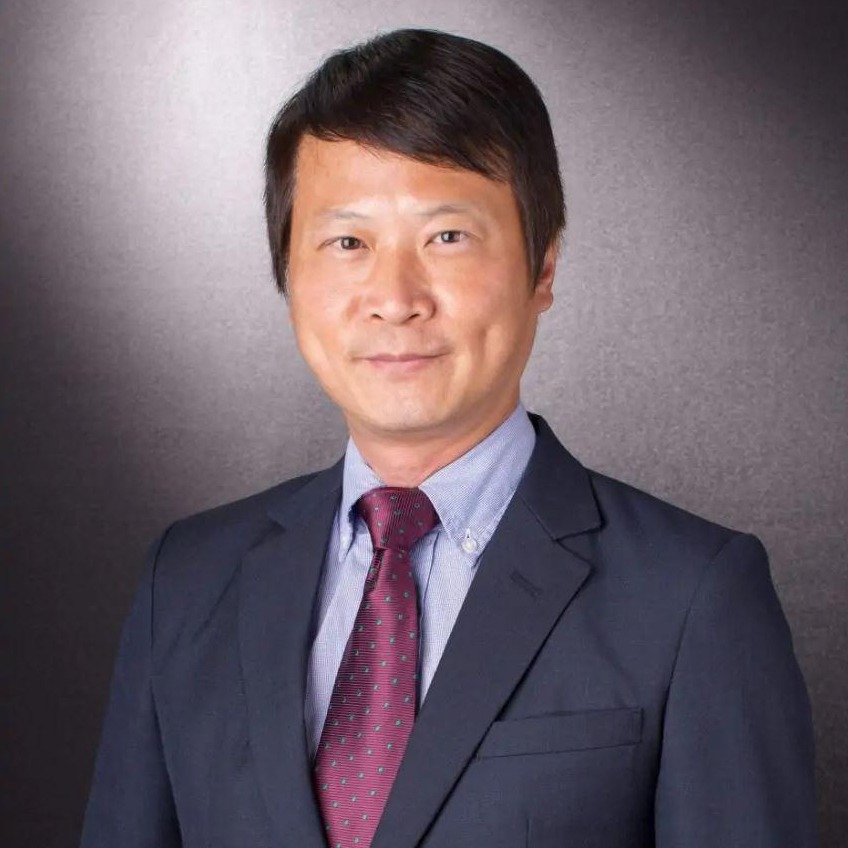
Ph.D., University of British Columbia, Canada
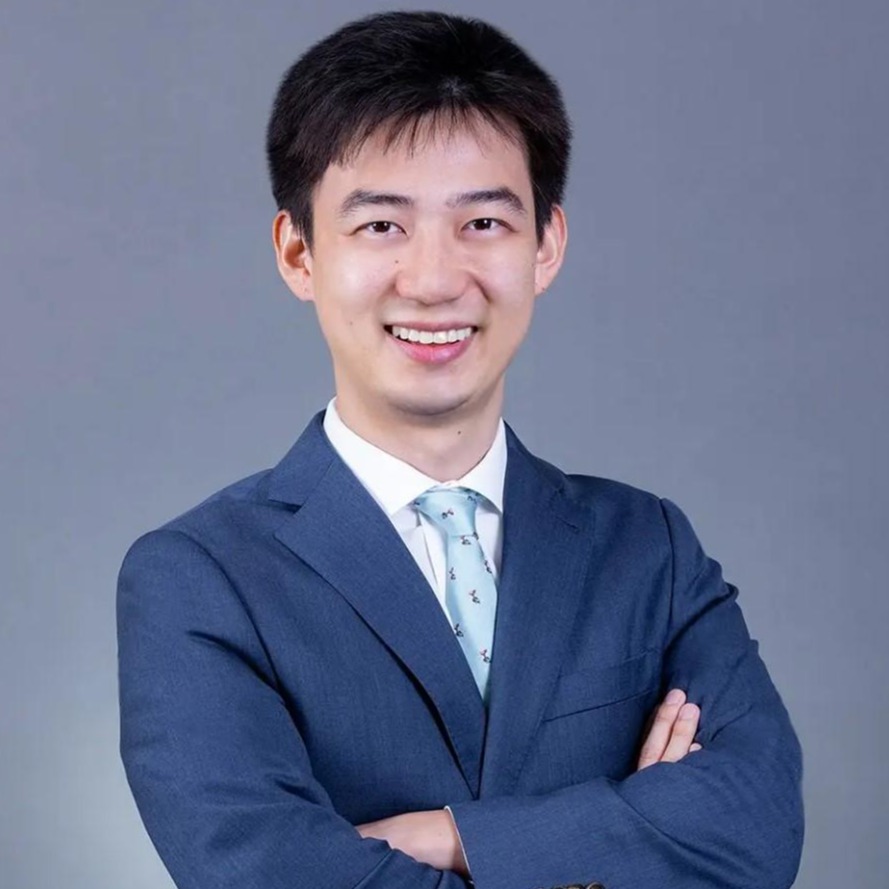
Ph.D., MIT, United States
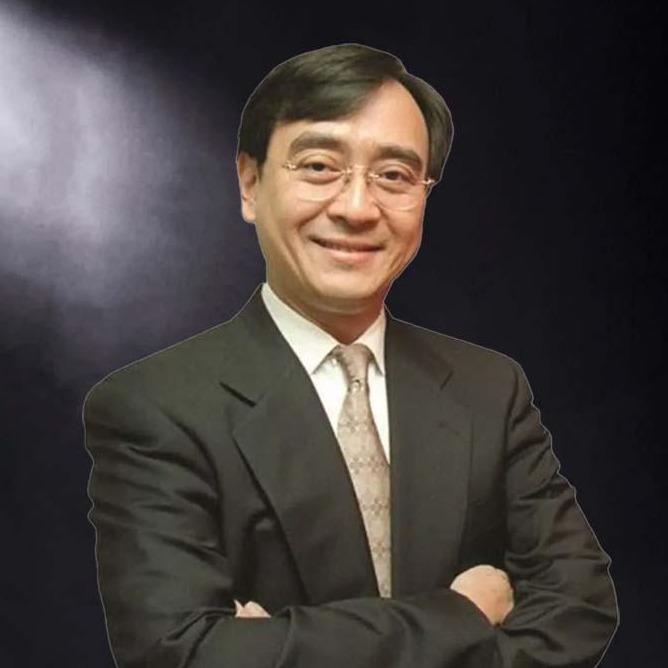
Ph.D., University of Chicago, United States, SBS, JP, Provost and Deputy Vice-Chancellor

Ph.D., University of British Columbia, Canada

Ph.D., University of Wisconsin-Madison, United States

Ph.D., University of Chicago, United States

Ph.D., Pennsylvania State University, United States

Ph.D., University of California, Los Angeles, United States

Ph.D., University of Minnesota, United States
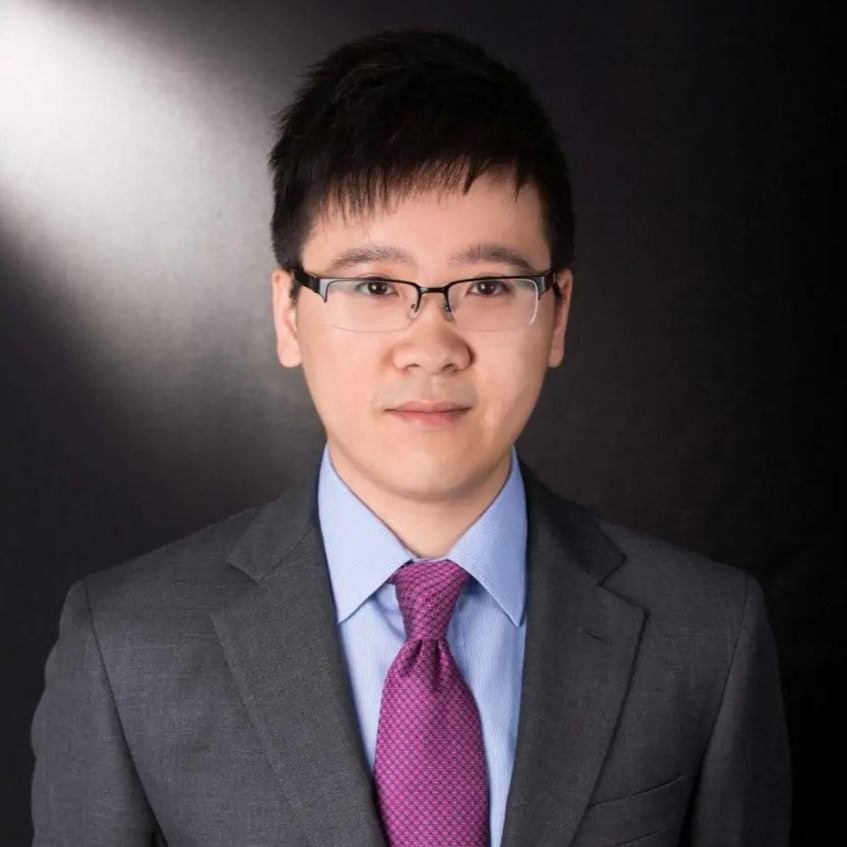
Ph.D., Princeton University, United States
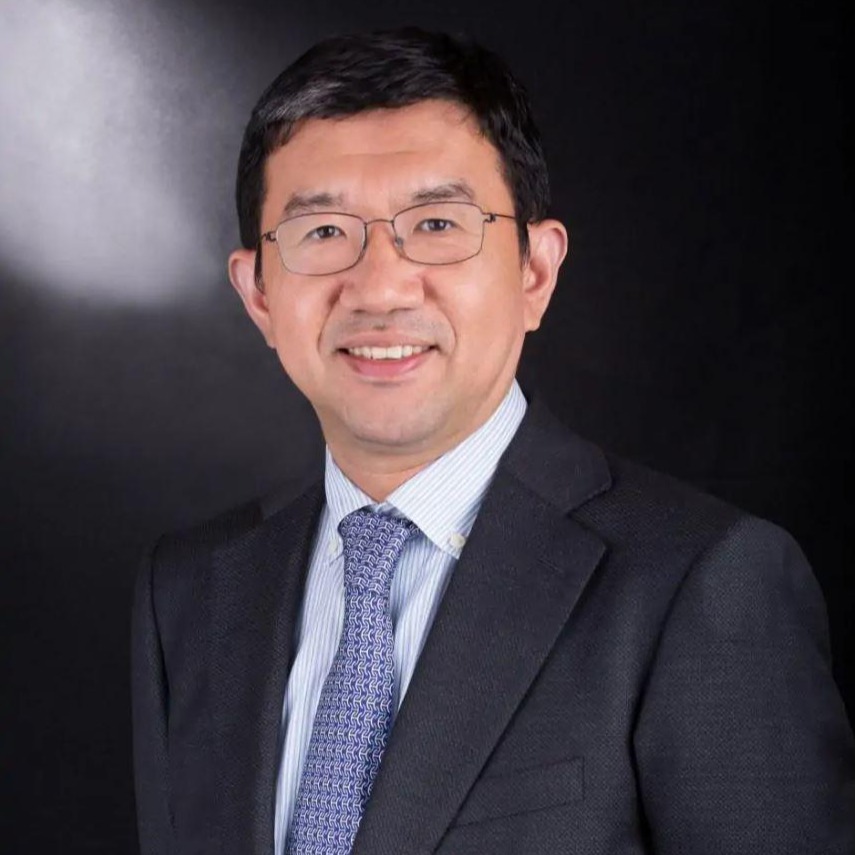
Ph.D., Masschusetts Institute of Technology, United States, Area Head of Management and Strategy
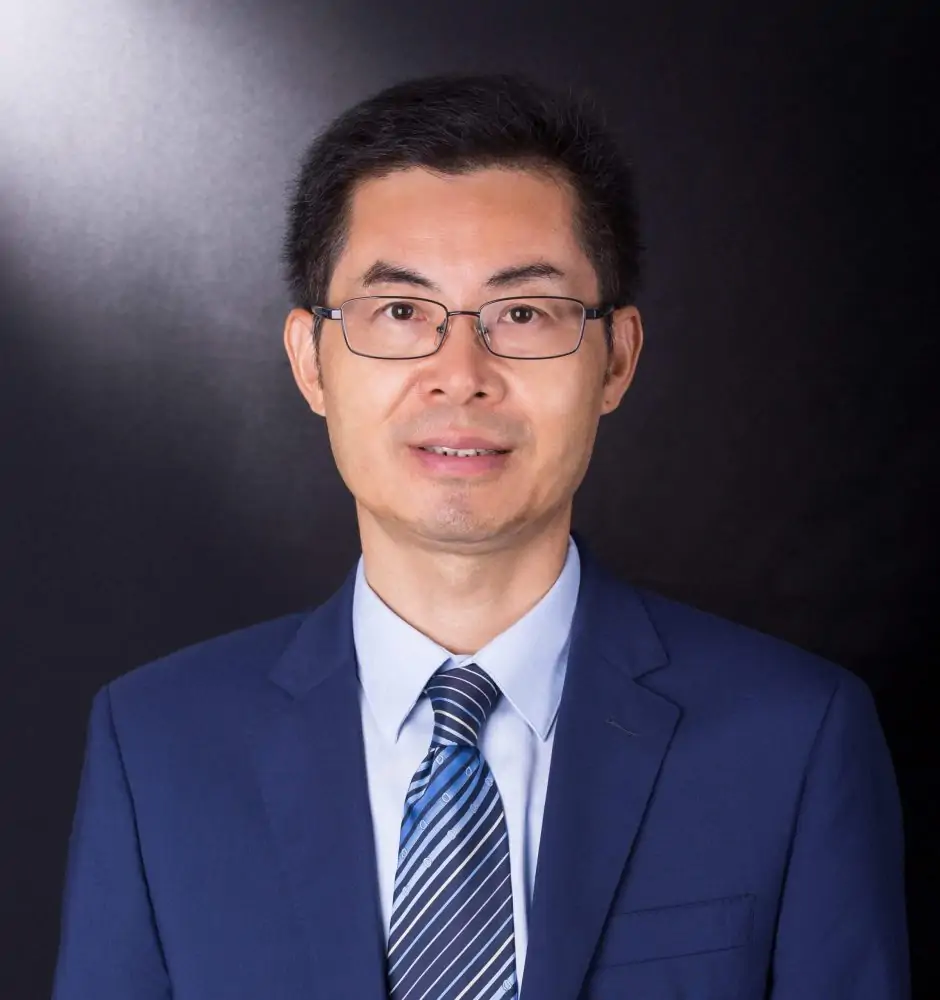
Ph.D., University of British Columbia, Canada
Curriculum Structure


- The Data Analysis Stream aims to provide more in-depth data analysis training to students who intend to work in this field.
- The Policy Analysis Stream is suitable for those who are interested in using the economic perspective to understand and evaluate public policies.
- The Theory Stream is designed to prepare students for their PhD study afterwards by providing PhD course training.
- The Advanced Research Stream focuses on the cultivation of research capabilities.
Students with a strong academic inclination will be offered exposure to research activities. Students on the Advanced Research Stream will follow a different set of curriculum structure than below, find out more here.
The HKU MEcon programme welcomes candidates from different academic backgrounds. Those admitted without an economics background are required to complete a summer preparatory programme to strengthen the foundational knowledge before starting the programme. Assessments will be conducted at the end of the summer preparatory programme and students are required to attend all classes and pass all assessments.
Candidates who are required to complete a boot camp would be identified when reviewers make the admission decision and notified in the offer letter as part of the conditions.
3 Preparatory Courses:
Microeconomics (Online)
Macroeconomics (Online)
Computation and Analysis of Economic Data*
*Only contains first half of the course (ECON6067 Computation and Analysis of Economic Data), students can take the course for 6 credits if they also complete the second half of the course.
Remark: Not all the courses listed will necessarily be offered each academic year and the listed courses are subject to further adjustments.
This course examines how practical problems can be solved by using econometric methods. The emphasis is on the analysis of real-world economic data using advanced statistical software. Topics include: estimation and testing of linear regression models, regression diagnostics, robust estimation, bootstrap, panel data, nonlinear least squares, discrete choice models and forecasting methods.
This course provides an advanced treatment of standard tools and frameworks in microeconomics that are used in other courses of the curriculum. Topics include: constrained and unconstrained optimization, consumer theory, uncertainty and information, cost and production, and market structure and equilibrium.
Note: This course is not open to candidates who have taken or are taking ECON6011.
This course is an advanced treatment of the theory of the determination of national income and aggregate economic behaviour. Topics include: national income accounting, employment theory, inflation and deflation, monetary and fiscal policy for economic stabilization, economic growth, and international economic issues. Applications to contemporary economic issues are emphasized.
Note: This course is not open to candidates who have taken or are taking ECON6012.
This course is designed to provide training in advanced microeconomic theory for first-year Master’s students. The course will focus on decision theory, game theory, and mechanism design at a graduate level. The first part covers the theory of individual decision making. The second part covers game theory, which is concerned with analyzing strategic interactions among agents. The third part covers topics in mechanism design, which explores how to apply game-theoretic concepts studied insofar to design effective institutions.
This course provides an in-depth study of advanced macroeconomic theory and its application to real-world issues. Students will learn to analyze macroeconomic problems from different perspectives and understand the tools and techniques used to address them. The emphasis will be on the microeconomic foundations and decisions that underlie the behavior of aggregate variables. Students will also learn to connect economic theories to data.
This course is designed for advanced Master’s students, focusing on cross-sectional techniques and the foundational methods of modern econometrics, such as least squares estimation, the maximum likelihood method, and the generalized method of moments. Students are expected to have a solid undergraduate-level understanding of calculus, matrix algebra, and probability theory.
Course Exemption
Up to two required courses, except the capstone course, may be granted (normally by examination) if candidates:
1. Can produce evidence, such as transcript and course syllabus, that a course is equivalent in content to another course taken elsewhere in which a satisfactory grade has been obtained; or
2. Are holding relevant professional qualifications which were obtained before admission to the curriculum.
No credits will be given for the exempted course and candidates shall be required to take an approved alternative course of the same credit value.
Applications for course exemption are subject to the approval of the Master of Artificial Intelligence in Business Programme Director and committees concerned.
Remark: Not all the courses listed will necessarily be offered each academic year and the listed courses are subject to further adjustments.
This is a core course for MEcon students taking the Data Analysis Stream. It is designed to familiarize students with data analysis tools used extensively in academia and the industry. The emphasis is on the application of econometric methods to the analysis of real-world economic data using advanced statistical software. Statistical packages covered in the course may consist of, but not limited to, Excel, STATA, R, Matlab and Python.
This course introduces students to the challenges of interpreting observational data, and to different approaches designed to overcome these challenges. Drawing on examples from different areas in economics, the course provides an overview of research designs that aim at extracting credible causal relationships, such as difference-in-differences, matching estimators, instrumental variables, regression discontinuity, audit studies, natural experiments, and randomized control experiments. Students will be given hands-on experience with these research designs, and will learn their theoretical underpinning as well as their limitations.
This course introduces modern machine learning methods and their applications in economics. It bridges the gap between traditional econometrics and contemporary machine learning, equipping students with tools for both prediction and causal inference.
This course introduces fundamental ideas, important methods and popular techniques in big data analysis and machine learning. Combining statistical theory, computational tools, and hands-on experience with real data, this course will provide students with a solid basis for handling big data in the practice of economics, finance, and management.
An ever-increasing share of human communication is recorded as digital text. This course introduces students to the quantitative analysis of text from a social science perspective, with a special focus on Economics and Finance. The course introduces the theoretical foundations for text analysis but mainly takes a practical approach, illustrating the methods for systematically extracting quantitative information from text, from classical content analysis and dictionary-based methods, to classification methods, scaling methods, and topic models. Lectures will be complemented with hands-on exercises working with text data in R.
This course examines how openness in the form of commodity trade and factor (especially capital) mobility affects long-run growth and short-run fluctuations, as well as the effects of macroeconomic policies, across countries. Topics include: international income convergence; international business cycles; international policy coordination; exchange rate and balance of payments dynamics; currency and other financial crises; and puzzles in international financial markets.
This course will be taught by teacher(s) who have special expertise in different areas of economic policy. Emphasis is put on using economic analysis to shed light on the rationale behind specific economics policies and their implications for citizens and for business practices. The topics covered will vary depending on the expertise of the teaching staff; examples may include technology and the economy, income inequality, political economy of Hong Kong, political economy of China, trade policies in a globalized world, financial crises, land use policies, housing policy, competition policy, retirement protection, minimum wage, and health care policy.
This course will be taught by teacher(s) who have special expertise in different areas of economic policy. Emphasis is put on using economic analysis to shed light on the rationale behind specific economics policies and their implications for citizens and for business practices. The topics covered will vary depending on the expertise of the teaching staff; examples may include technology and the economy, income inequality, political economy of Hong Kong, political economy of China, trade policies in a globalized world, financial crises, land use policies, housing policy, competition policy, retirement protection, minimum wage, and health care policy. However, topics covered in ECON6075 will not be covered in this course.
This course is about the analysis of data within economics and the interpretation of empirical results. The course will provide a practical introduction to econometric techniques and analytical methods commonly used in modern empirical research, such as matching, difference-in-differences, instrumental variables or regression discontinuity designs.
This course will introduce some basic theory about economic growth and development and use the theoretical framework to quantitatively examine economic growth and development over time and across space. The topics covered will include basic facts about economic growth and development, growth accounting, development accounting, structural change, factor misallocation and aggregate productivity. Throughout the course, the growth and development of the Chinese economy will be used as an important case study.
This course provides a comprehensive introduction to housing markets, utilizing a combination of theoretical and empirical approaches. It explores the key issues in housing markets and examines the diverse interventions implemented by governments to address these challenges. It not only offers numerous real-world case studies from various regions but also uses big data to enhance insights into the housing market analysis.
This course in economic policy is taught by specialists in their respective areas of expertise. This self-contained course has two parts: 1) Labor market policies, including anti-discrimination laws, unemployment insurance, minimum wage laws, and migration policies, and 2) Housing, land, and rates (property taxes) in Hong Kong.
This course covers game theory and its applications to various fields of economics. It studies static games with complete information, dynamic games with complete information, static games with incomplete information, dynamic games with incomplete information, and the equilibrium concepts corresponding to these games. It considers applications of these concepts to the study of industrial organization, international trade, labour economics, public economics, corporate finance, and monetary economics. Applications to auction and bargaining are also considered. Finally, it offers an introduction to mechanism design and its application to the procurement problem.
This is a special course that deals with various topics of macroeconomics. Topics covered may vary from year to year, depending on the research interests of the instructor.
This is a special course that deals with various topics of microeconomics. Topics covered may vary from year to year, depending on the research interests of the instructor.
This course will be taught by teacher(s) who have special expertise in different fields in economics. Students are introduced to the basic set of questions addressed by each field of specialization covered, and the conceptual framework commonly adopted to address these questions. Emphasis is put on making sure that students are familiar with the literature in the relevant field, and are equipped with the tools to do their independent research. The fields covered will depend on the interests of students and the availability of teaching staff with expertise in the relevant fields. The fields of specialization covered may include labour economics, public economics, political economy, economic growth and 9 development, economic history, industrial organization, international trade, international macroeconomics, and urban economics. However, topics covered in ECON6077 will not be covered in this course.
This course will equip students with the numerical tools (data skills and computation skills) necessary to tackle interesting questions in quantitative macroeconomics. The course consists of three major parts: data, model, and policy. The first part focuses on showing students how to deal with macro and micro data in economics and more importantly, how to find interesting empirical patterns from the data. The second part is about the study of computational methods and algorithms useful to solving and analyzing macro models. The third part is devoted to ongoing frontier research in macroeconomics based on heterogeneous-agent models.
This course will prepare students to conduct own research in the field of labor economics as well as related areas such as personnel economics, public economics and family economics. In this course, we will cover a wide range of theoretical models and empirical studies based on cutting-edge classic and recent research papers. During the course, students will be encouraged to develop own research ideas.
This course will prepare research students to conduct own research in the field of labor economics as well as related areas such as personnel economics, public economics and family economics. In this course, we will cover a wide range of theoretical models and empirical studies based on cutting-edge classic and recent research papers. During the course, students will be encouraged to develop own research ideas.
Course Exemption
Up to two required courses, except the capstone course, may be granted (normally by examination) if candidates:
1. Can produce evidence, such as transcript and course syllabus, that a course is equivalent in content to another course taken elsewhere in which a satisfactory grade has been obtained; or
2. Are holding relevant professional qualifications which were obtained before admission to the curriculum.
No credits will be given for the exempted course and candidates shall be required to take an approved alternative course of the same credit value.
Applications for course exemption are subject to the approval of the Master of Artificial Intelligence in Business Programme Director and committees concerned.
Remark: Not all the courses listed will necessarily be offered each academic year and the listed courses are subject to further adjustments.
Candidates can choose electives from a list of courses from Master of Economics and other HKU Business School Masters Programmes.
This course examines valuation techniques, integrating traditional financial models with advanced economic theories and practical applications, emphasizing the Chinese economy. Students will master discounted cash flow (DCF), relative valuation, and real options, applying these to specialized areas such as financial service firms, money-losing firms, start-ups, private firms, acquisitions, real estate, and distressed equity. Through theoretical instruction, practical exercises, and a group project, students will develop expertise in valuing diverse assets in complex markets. Microsoft Excel is used to illustrate the ideas of valuation.
This course focuses on financial decisions in the modern corporation. Topics include: capital budgeting, cost of capital, capital structure, dividend policy, public offerings, and incentives and contacting problems. There will also be some treatment of mergers and acquisitions, and corporate governance. The objective of the course is to integrate these various topics into standard theories of risk and return and the valuation of assets in order to provide a theoretical framework for considering corporate finance problems and issues, with an understanding of how it applies to the real world.
This course will examine the progresses and challenges of China's rapid economic growth toward one of the largest economies in the world and its deepening integration into the global trade and financial systems. It will focus on China's interactions with the global economy and their domestic and international implications. The topics will include: Review of China's foreign trade and investment; reform, opening, growth and efficiency of China's domestic and external sectors and their impacts on the structure of China's balance of payments; China's currency and monetary policies and their impacts on the domestic and internal trade and finance; China's capital market reform and development and their domestic and international implications; China's role in maintaining international financial order.
This course covers topics pertinent to the development of low-income countries: economic growth, measurements of economic inequality, inequality and development and their inter-connections; poverty and under-nutrition, population growth and economic development, rural and urban, markets in agriculture, land, labor, credit and insurance, international trade, and trade policy. The course also teaches how to use data to conduct development analyses such as poverty assessments and impact analysis of development projects.
This course develops a solid understanding of environmental economics. The course covers important environmental issues including overuse of the environment (such as overfishing and excessive air pollution emissions) and too little provision of environmental public goods (such as preservation of endangered species habitats and investment on biodiversity). This course is designed to cover an indepth discussion of an economic approach to environmental problems in order to show how factors such as property rights and transaction-cost considerations can encourage efficient natural resource use through environmental markets. For environmentalists, this course also offers concrete solutions to illustrate the importance of environmental entrepreneurship.
This is a course in money and banking at the masters or first-year graduate level. It discusses the role of money and the banking system in the economy and how they affect aggregate economic activity like inflation, interest rates and output growth. Topics include theories of money demand and supply, theories of interest rates, issues related to conduct of monetary policy, such as targets and indicators, rules versus discretion, time inconsistency, credit market imperfections, banking crisis, bank regulation, deposit insurance, among many others.
This course focuses on modern history of China and the world from perspectives of transnational and shared experience. It will explain how China becomes China with especial focus on the following topics: 1. forced transformation from a civilization to a nation-state; 2. Wars and peace and China’s struggles; 3. Chinese and Americans: a shared history; 4. Body, mind, and sports: Chinese shared experiences with the past and the world; 5. How “China” becomes today’s China and how Chinese become Chinese. It is crucial for anyone to know this kind of history in today’s world, and it seems more important if one wants to become a leader in business world. Without a deep understanding of the past, one cannot move ahead in the future.
The goal of this course is to equip students with a practical skill of proposing nudging solutions to achieve desire outcomes in commercial and policy making contexts; and testing the effectiveness of these solutions by experimentation (aka A/B Testing). Nudging is a concept rooted in behavioral economics and choice architecture, which involves subtly influencing people's decisions or behavior without restricting their freedom of choice.
This course is to introduce modern AI technology and its principles, and to provide real experience of applying AI technology to finance and economics problems. The course aims to help students understand how to apply AI techniques in quantitative finance analysis and risk management.
This course offers a rigorous and accessible introduction to financial economics and investment at a graduate level. Its aim is to provide students with the essential economic theory that forms the foundation for understanding finance and investment analysis, as well as a basic understanding of financial institutions, financial instruments, and asset markets. Moreover, it strives to bridge the gap between financial economic theory and its real-world application in the investment domain.
This course aims to develop students’ ability to conduct data-driven policy research and communicate findings effectively. Students will learn to formulate policy questions, design and execute appropriate empirical analyses (from descriptive statistics to data visualization), write for policy audiences, and give and receive constructive feedback. The course also equips students to use AI tools productively in their research workflow.
This course is Introduce students to the core theories of government and regulation, including public interest theory, capturetheory, market failure, government failure, and state capacity.
This course examines the political and institutional foundations of China’s economic development from the late imperial era to the present. Integrating insights from political economy, economic history, and applied econometrics, it explores how state capacity, ideology, and institutional design have shaped China’s long-run development trajectory and its divergence— and later convergence—with the West.
You can take up to two electives from the Master of Accounting, Master of Accounting Analytics, Master of Artificial Intelligence in Business, Master of Finance, Master of Finance in Financial Technology, Master of Global Management, Master of Science in Business Analytics, Master of Science in Marketing, Master of Sustainable Accounting and Finance or Master of Wealth Management programme at HKU. Enrollment in electives from other programmes is subject to seat availability and approval by the Programme Directors concerned based on your profile, capabilities and performance in the MEcon programme.
Since enrollment in other taught postgraduate electives is not guaranteed, you should always choose three MEcon electives during the course enrollment in our programme. Course enrollment results of other programmes may only be confirmed after that course has started. If your enrollment is successful, you can drop the MEcon elective(s) and enroll in the other taught postgraduate elective(s).
It is your responsibility to make sure you obtain 60 credits to fulfill the graduation requirements and there is no overlapping of classes and exams in courses from different programmes.
*The list of available electives from other programmes may have prerequisite requirement(s) and is subject to change for future intakes.
Up to three electives may be chosen from other taught postgraduate curricula offered by HKU Business School under the advice and approval of the Programme Directors concerned. Please refer to section at the end of this page for further details.
Remark: Not all the courses listed will necessarily be offered each academic year and the listed courses are subject to further adjustments.
The course begins with a foundation in institutional economics and policy evaluation, before advancing to the practical application of econometric techniques. Students will engage with classic and contemporary literature to critically evaluate the choice and limitations of econometric models for specific research goals. This theoretical and methodological grounding prepares students to undertake independent research projects.
This course aims at bridging academic learning with real-world applications, equipping students for their future careers through practical problem-solving. This course allows students to integrate and apply the knowledge and techniques that they have learned in previous courses in a business project. Teams of student will carry out business projects using real-world data and have the opportunity to be involved in different stages in a business project, including project planning and management, strategy setting, model building, data analysis and interpretation, and result presentation. In the process students will become familiar with the use of analytics tools and managerial skills in business projects. This course will provide a dynamic and student-centered experience that fosters real-world engagement and career readiness.
The course begins with a foundation in institutional economics and policy evaluation, before advancing to the practical application of econometric techniques. Students will engage with classic and contemporary literature to critically evaluate the choice and limitations of econometric models for specific research goals. This theoretical and methodological grounding prepares students to undertake independent research projects.
This course aims at bridging academic learning with real-world applications, equipping students for their future careers through practical problem-solving. This course allows students to integrate and apply the knowledge and techniques that they have learned in previous courses in a business project. Teams of student will carry out business projects using real-world data and have the opportunity to be involved in different stages in a business project, including project planning and management, strategy setting, model building, data analysis and interpretation, and result presentation. In the process students will become familiar with the use of analytics tools and managerial skills in business projects. This course will provide a dynamic and student-centered experience that fosters real-world engagement and career readiness.
This course will be taught by teacher(s) who have special expertise in different fields in economics. Students are introduced to the basic set of questions addressed by each field of specialization covered, and the conceptual framework commonly adopted to address these questions. Emphasis is put on making sure that students are familiar with the literature in the relevant field, and are equipped with the tools to do their independent research. The fields covered will depend on the interests of students and the availability of teaching staff with expertise in the relevant fields. The fields of specialization covered may include labour economics, public economics, political economy, economic growth and 9 development, economic history, industrial organization, international trade, international macroeconomics, and urban economics. However, topics covered in ECON6077 will not be covered in this course.
This course aims at bridging academic learning with real-world applications, equipping students for their future careers through practical problem-solving. This course allows students to integrate and apply the knowledge and techniques that they have learned in previous courses in a business project. Teams of student will carry out business projects using real-world data and have the opportunity to be involved in different stages in a business project, including project planning and management, strategy setting, model building, data analysis and interpretation, and result presentation. In the process students will become familiar with the use of analytics tools and managerial skills in business projects. This course will provide a dynamic and student-centered experience that fosters real-world engagement and career readiness.
The course is designed for students who are admitted to the Advanced Research Stream. The Research Thesis shall consist of original work written under the supervision from one of the faculty members at the Faculty of Business and Economics. Students shall submit the titles and proposals of their research thesis for approval by the supervisors before January first of the final academic year, and the research thesis shall be presented before August thirty-first of the final academic year. The Research Thesis, which should not exceed 30,000 words in length, shall be graded by the supervisors and approved by the MEcon Board of Examiners. Assessment shall be conducted in the form of 100% coursework.
Advanced Research Stream
To enhance the research capability of MEcon students, HKU Business School has introduced a more research-oriented stream with effect from the 2021-22 academic year and thereafter. The new Advanced Research Stream stresses the cultivation of research capability and offers students with strong academic inclination real exposure to research.
The Advanced Research Stream is research focused and students are expected to produce one research paper of good quality which can be further developed into one of their PhD thesis chapters.
Students will take courses with PhD students and can work on their thesis under the supervision of faculty members in the economics area. They will also provide research assistance to their supervisors and other faculty members of this area.
Students being admitted to the Advanced Research Stream are recommended to complete the whole programme in two years.
- Scholarships (50%- 100% of tuition fees reduction) will be awarded to truly outstanding candidates being admitted that have completed the first year of the Advanced Research Stream
- Potential paid research assistantship for the second 6 months of second year of Advanced Research Stream
- Priority admission to HKU PhD programme
- Personalised supervisor matching with faculty members and research assistantship
- Cutting-edge research training and guidance on PhD study
- Active research environment with long-term collaborative research, within and outside the School
- Hold a recognised degree or equivalent, with a strong academic background and previous research works
- Two referee statements from academic professors
- A research statement on your field of interests and relevant skills
- Writing sample (optional)
- Obtain an English test score if you are not from an English-medium university, with a minimum score requirement of: TOEFL (80) or IELTS (6)
3 Core Courses
- Advanced Econometrics
- Advanced Macroeconomics
- Advanced Microeconomics
3 Stream Core Courses
- ECON6002 Selected Topics in Microeconomics I
- ECON6036 Game Theory and Applications
- ECON6052 Selected Topics in Macroeconomics I
- ECON6059 Selected Topics in Macroeconomics II
- ECON6078 Topics in Economic Research II
- ECON6081 Quantitative Macroeconomics: Data, Model and Policy
- ECON6098 Advanced Topics in Labor Economics
2 Elective Courses (from MEcon elective courses list)
1 Capstone Course - Research Thesis
Class Profile
We recruit students from diverse backgrounds each year to enrich students’ learning experience.
Sample List of Previous Employers
- Accenture
- Bank of China
- ByteDance
- China Galaxy Securities
- China International Capital Corporation Limited
- Haitong Securities
- Hang Seng Bank
- HSBC
- Huatai Securities
- J.P. Morgan Securities
- JD
- KPMG
- Kuaishou Technology
- Meituan
- Morgan Stanley Securities
- NetEase
- PwC
- Shenwan Hongyuan Securities
- Tencent Music
- Xiaohongshu





Career Outcomes
Class of 2025 Graduate Employment Data Summary: Master of Economics
- China Merchants Bank
- PricewaterhouseCoopers
- China Resources
- Alibaba Group
- China Construction Bank
- Tesla
- Société Générale
- Agricultural Development Bank of China
- CITIC Securities
- Hang Seng Bank
- Vivo
- Tencent
- Midea Group
- CGN Power
- Pipe China
- Guotai Junan International
- RedNote
- Fosun Group
- JD.com