

Words from Programme Director

Master of Global Management
The Master of Global Management programme at the HKU Business School offers a comprehensive curriculum that incorporates individual, organisational and national knowledge pertinent to effective management of global issues. Companies are starting to grow and leverage talents over the globe, which means that having the means and ability to work with people from different nationalities is becoming essential. The MGM Master programme is designed to help students develop global management problem solving skills and enhance their ability to manage and work with people from a widening spread of backgrounds in a global context. There is a strong industry demand for global management skills, due to rapid globalisation, and these skills are becoming an important competence for future leaders.
Welcome to the Master of Global Management Programme at HKU Business School. Below are the 5 most frequently asked questions by our applicants and we have them answered by Prof. Hui for you to catch a glimpse of the MGM Programme.
On this programme you will learn problem solving skills, learn to look at the world from multiple perspectives and also enjoy working as a team with other classmates. The ability to deal with people of diverse backgrounds and nationalities both internally and externally to an organisation is key for career advancement and success.
The Master of Global Management programme is taught through various teaching methods. You will attend lectures, cases and workshops with renowned professors and guest lecturers, as well as involve yourselves in student engagement.
No. There are specific knowledge and skills regarding organisational practices such as those provided in Strategic Human Resource Management, but also foundational skills such as that provided in Creative Global Management Problem Solving.
The programme will facilitate, but not provide, internships. There will be ample opportunities to learn about industries and real world organisations as many instructors use business cases and share their practical experiences and insights.
Our Faculty

Area Head of Management and Strategy

Ph.D. in Management, INSEAD

Ph.D., LMU Munich

Ph.D., Accounting, The University of Melbourne

MSAF Programme Director
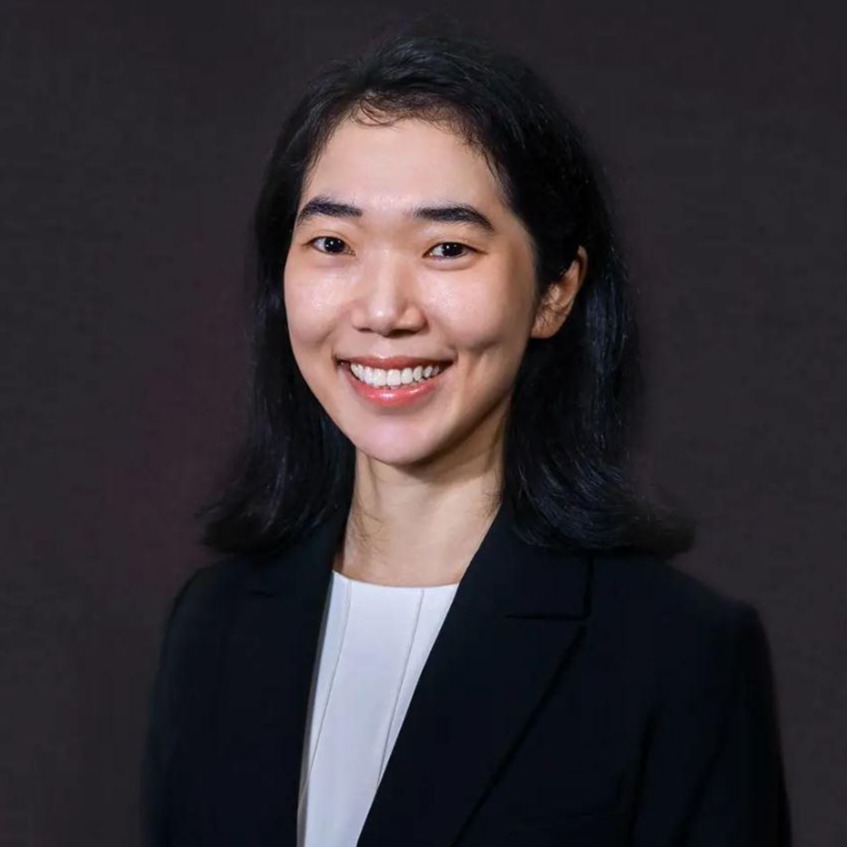
Ph.D., Stanford University, United States

Adjunct Associate Professor

Ph.D., University of Waterloo, Canada

Ph.D., City University of Hong Kong, Hong Kong

Ph.D., The Chinese University of Hong Kong, Hong Kong

Ph.D., Indiana University, United States, MGM Programme Director
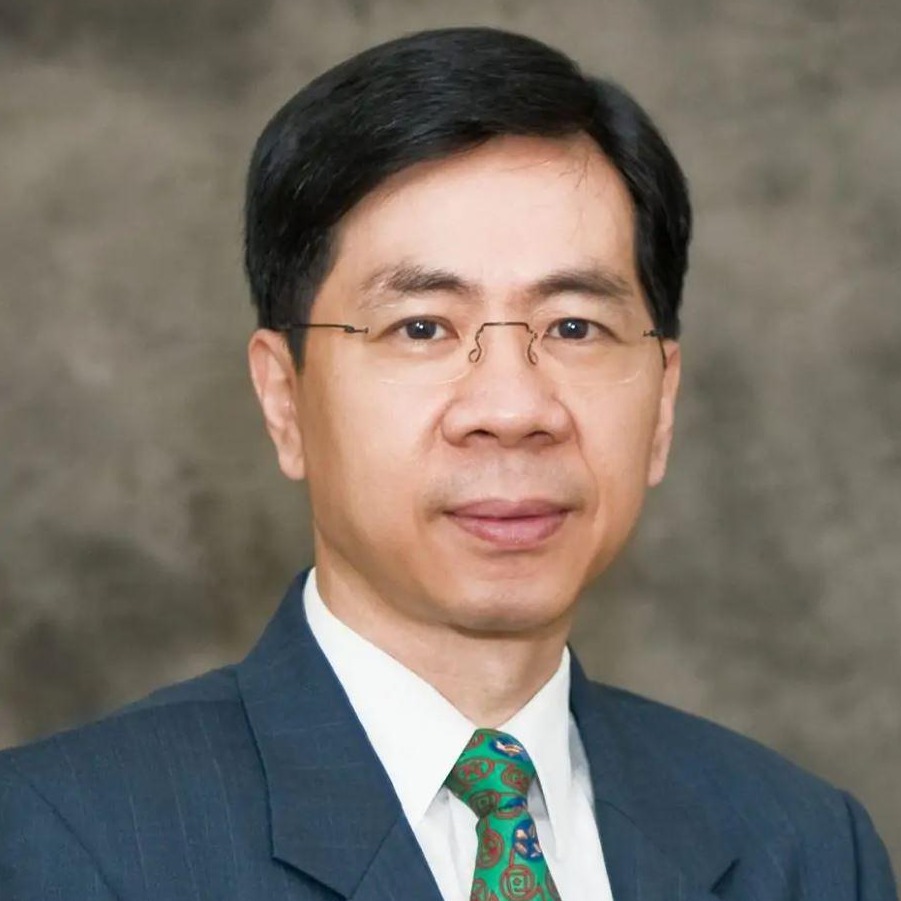
Ph.D., Australian National University, Australia
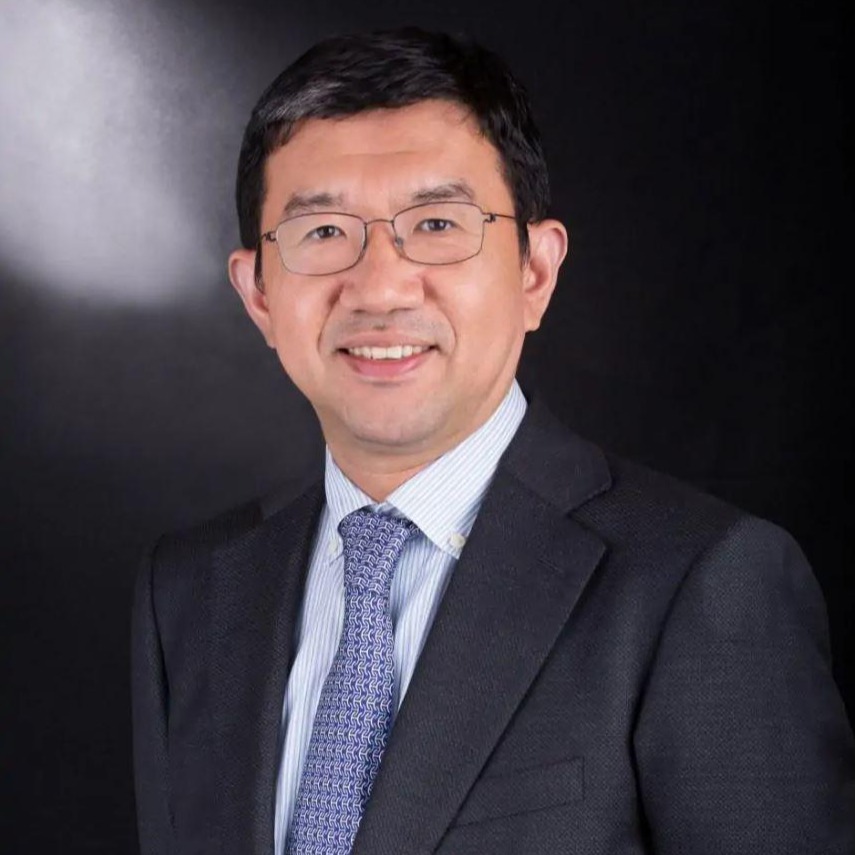
Ph.D., Masschusetts Institute of Technology, United States, Area Head of Management and Strategy

Ph.D., Princeton University, United States

Ph.D., Hong Kong University of Science and Technology, Hong Kong

Associate Dean (Taught Postgraduate)

Ph.D., MIT Sloan, United States
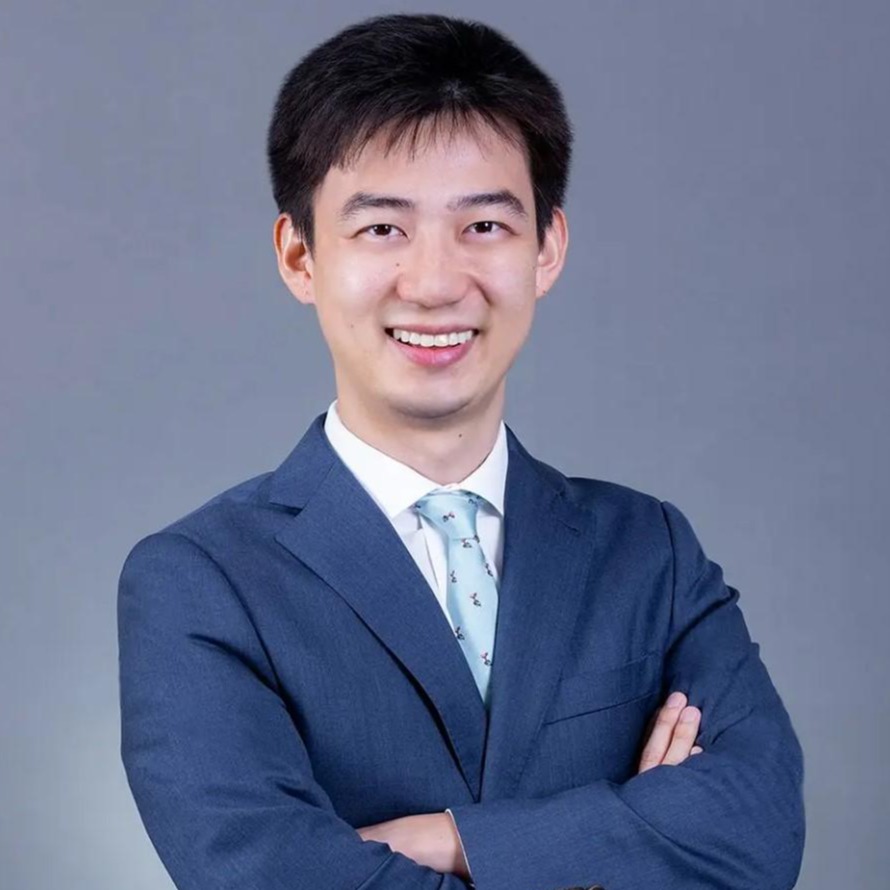
Ph.D., MIT, United States

Ph.D., IESE Business School, Spain

Ph.D., Arizona State University, United States

MGM Deputy Programme Director
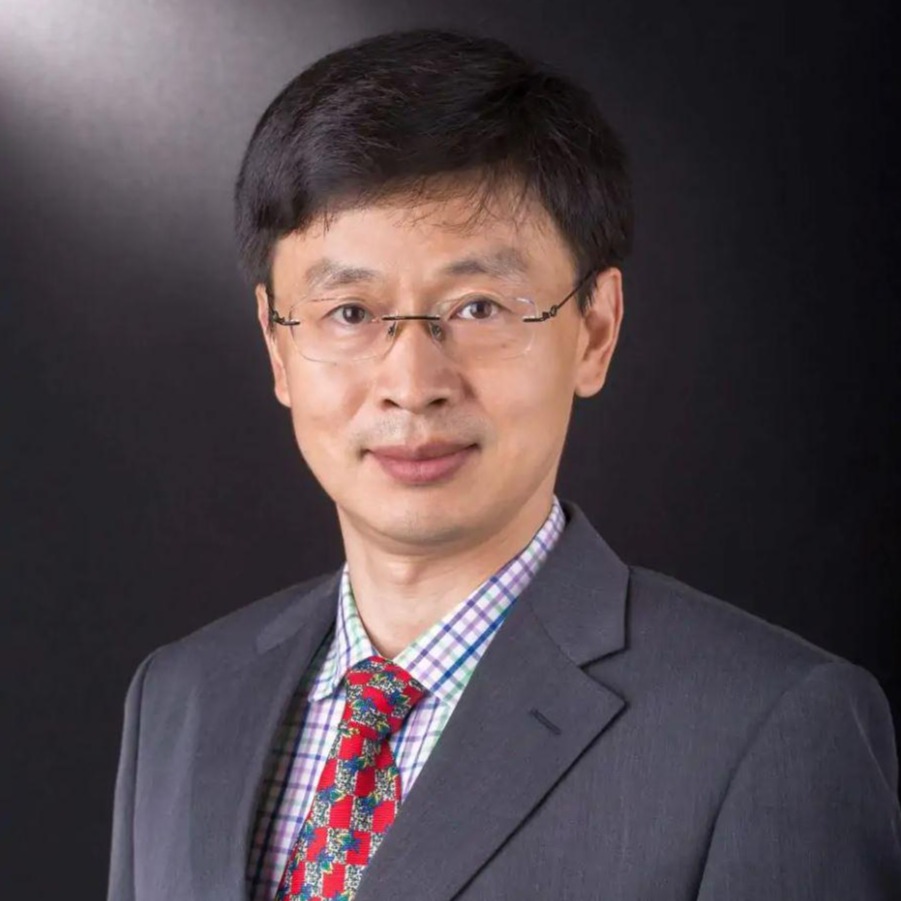
Ph.D., Virginia Polytechnic Institute and State University, United States, Chair of Strategy and International Business
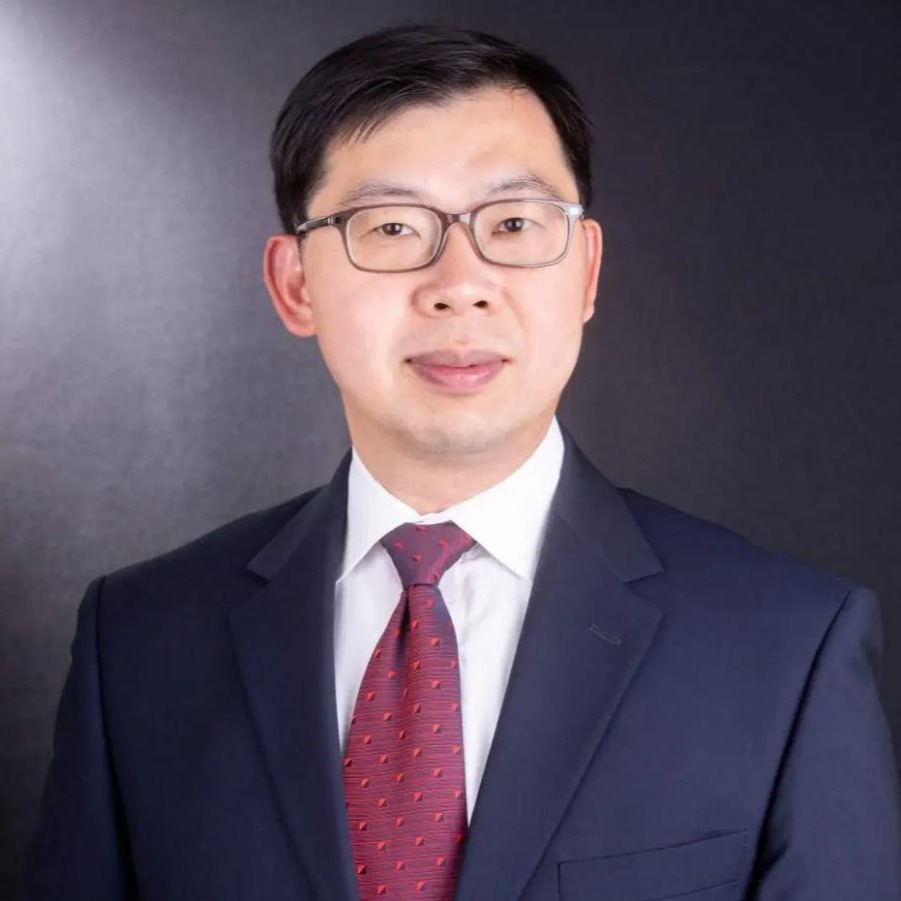
Area Head of Economics

Ph.D., Duke University, United States

Adjunct Professor

Adjunct Professor

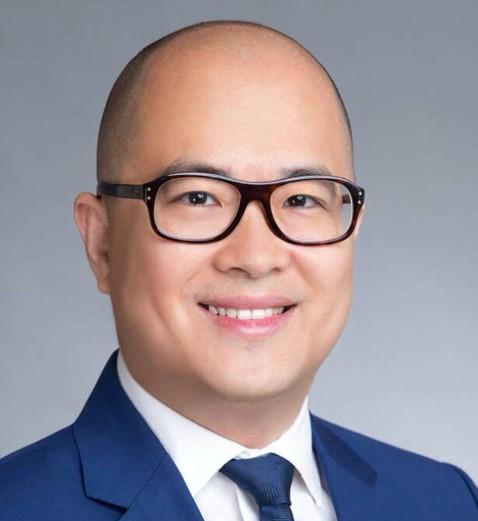
Adjunct Associate Professor

Adjunct Associate Professor


Adjunct Assistant Professor
Adjunct Associate Professor
Curriculum Structure
The courses will be delivered by faculty members from HKU and other top overseas universities as well as highly experienced top executives. Students may choose to concentrate in the Environmental, Social and Governance (ESG) Stream according to their interests and career aspirations. To graduate with the ESG stream, students are required to take a minimum of three of the ESG elective courses.
Remark: Not all of the courses listed will necessarily be offered each year and the course list may subject to further adjustment.
To manage employees effectively, building a foundation for understanding fundamentals and dynamics of human behavior in organization is essential. A focus of this course will be on how individuals, groups and organizational contexts would impact effectiveness, efficiency and success of organizations dealing with global issues. The main objective of this course is to help students acquire perspectives of how individuals, teams and the entire organization would behave and how an individual employee may experience, interpret, function effectively in organizations with diversity.
The trend of globalization in business requires organizational members, especially managers, to work effectively with international assignments, to collaborate with cross-cultural teams, and to manage the increasingly diverse workforce, business partners, customers and clients. Therefore, managers need to acquire unique cultural competencies that go beyond traditional managerial competencies and manage conflicts effectively. The main objective of this course is to provide students with a solid basis for developing such cultural competencies, so they can understand the challenges that might occur while working abroad, the principles of effective cross-cultural management and conflict resolution. The course aims to develop an understanding of key cultural differences, and how these differences influence the management of individuals, teams, and organizations.
Entrepreneurship has long been acknowledged as critical to multinational corporations (MNCs). The concept of entrepreneurship in MNCs refers to the development of new opportunities and business models within large global firms, leading to the enhancement of global competitive position and the organizational profitability of MNCs. This course aims to provide an overview of entrepreneurial processes by focusing on the dynamics of how the sequence in which multidimensional actions can be effectively enacted so as to more likely achieve positive outcomes in multinational corporations. Entrepreneurship in established companies has now become very complex. Students will learn to appreciate and build business concepts, people, structures, selling, finance, knowledge and operations capacities that enable the successful business creation processes within the MNCs.
Business economics is a branch of economics that applies microeconomic analysis to business decisions. To effectively manage a company, the manager needs to have a good understanding of cost, pricing, market power, competition strategies and internal organization. We will develop these economic concepts and show how they can be applied to managerial decisions. Throughout the course, we will teach students to understand accounting information, and to apply economics to major financial decisions.
Remark: Not all the courses listed will necessarily be offered each academic year and the listed courses are subject to further adjustments.
This course is designed to prepare students to better understand the dynamics of multinational corporations The course introduces a unified framework that managers can apply to analyze the opportunities and challenges that multinational corporations encounter when entering and operating in global markets. The emphasis is on the strategic and operational issues confronting multinational corporations. First, the course discusses how multinational corporations deal with the complex global business environment. Second, it discusses the ways to enter global market, manage competitive dynamics, and structure multinational corporations.
This course examines analytically and critically current problems in global management. It will address multiple employee and organizational problems that students would find beneficial to have exposures to. This course adopts a problem analytical approach to examining and understanding issues selected. Issues include tools of creative problem solving, diversity, visions, motivation systems, team building and challenges for change. This course serves to develop analytic, critical thinking, problem solving, and presentation skills that will contribute directly to effective global business management.
Strategic human resource management (HRM) aims to maximize the value of human capital with the design of hiring systems, performance systems, compensation systems, and organizational goal systems, etc. In this course, we focus on learning how to apply systems thinking tools, such as Behavior-Over-Time Graphs, Stock and Flow Mapping, and Causal Loop Diagrams, in designing and optimizing HRM systems in organizations.
This course is to provide students in-depth learning for managing the multinational corporations across various product, business, geographic markets. Specifically, the course focuses on three central themes that are critical to the successful formulation of corporate strategy: (1) What are the new businesses opportunities emerged from globalization and how could multinational corporations capture value? (2) How could multinational corporations grow in different settings through acquisitions, partnerships, or internal development, and (3) How could the multinational corporations manage the portfolio of its businesses? Overall, this course will highlight the criticality of making profound decisions about the right pathways for firms to compete in the global business landscape. To tackle these issues, this course will provide theoretical frameworks and guiding principles to analyze practical problems at the corporate 6 or group level experienced by managers.
This course examines the opportunities and challenges that managers confront when doing business in China. It addresses the complex environment of China business with respect to economic, social, cultural, political, and legal institutions. It also aims to provide students with contemporary knowledge of the external environmental forces that are changing competition in today's China market. Threats and opportunities arising from the new rules in China will be discussed.
This course examines the opportunities and challenges that contemporary managers confront when conducting business across national borders. It addresses the complex environment of international business with respect to economic, social, cultural, political, and legal institutions. Special attention will be given to examine how these institutions shape business operations in the global market. Throughout this course, we will also highlight some of the drivers of global macroeconomic development and its impact on international business.
This course involves visits to companies that deal with significant global management issues inside and outside of Hong Kong. Orientation before the visits includes identification and preparation of academic and practical issues to be addressed to target companies. After the visits, academic reports on the issues raised, addressed, solutions and personal take-away would be collected.
This course is aimed at providing students with the tools to become a more effective negotiator by helping students learn how to analyze and conduct negotiations in various contexts. It will give students the opportunity to identify strengths as a negotiator and to work on weaknesses. The course will provide conceptual frameworks and principles based on academic research from a range of fields, such as interpersonal communication, psychology, and group decision-making, for students to diagnose problems and promote agreement.
This course is structured as a workshop in which students will be an active participant, where self-reflection is required. After all, if a “good deal” is reached, it may be difficult to know whether this was due to effective negotiating or luck. By contrast, if an undesirable agreement is reached, it is often possible to analyze what happened and identify steps to take to avoid similar outcomes in the future.
This course focuses on the link between organizational structure and business strategy. The core question addressed is how firms should be organized to achieve their performance objectives. Topics covered in this course include incentive pay, evaluation, hierarchy, organizational culture, and personnel management. The course also discusses the determinants of a firm's boundaries and applied topics such as corporate mergers and outsourcing. The course consists mostly of lectures, which will cover both theoretical and empirical material. In the theoretical part, the course makes heavy use of basic tools in microeconomic theory; in the empirical part, the course draws on various statistical and econometric methods with an emphasis on causal inference.
This module provides an overview of the global concepts, theories, and practices of Knowledge Management (KM) and Knowledge Creation (Innovation) in global organizations and communities. Students will examine basic issues and approaches that global organizations take to create, identify, capture, validate, store, share, and apply knowledge. Techniques and tools for building a knowledge sharing platform and system will be introduced. KM and related case studies will illustrate the implementation and development of a knowledge sharing culture and innovation management in global organizations. A special focus will be placed on the development of KM programs in practical situations.
This course aims to equip students with a strong conceptual foundation for understanding the digital revolution in the global business environment. As digitization transforms the nature of business across a wide range of industries, mastering the concepts and practices of digital innovation is crucial for managers, entrepreneurs as well as investors. Moreover, a global perspective is becoming ever more critical as digital technologies and platforms change both the speed and the reach for businesses to access new ideas and resources, provide their products and services, enter new markets, and navigate through both traditional partnerships and newly-emerged ecosystems. This course is theory- and research-based but practice-oriented. Through disciplined analyses of successful and unsuccessful cases across industry and national borders, this course will provide students with the sophistication to identify, evaluate and act upon new business opportunities successfully in a truly global and digital world.
Managers often make arbitrary decisions based on intuition, chance, preference, convenience, or tradition. We need a scientific framework to guide us in a conscientious, explicit, and judicious use of the best available evidence to make informed managerial decisions. In the lectures, we will cover the following topics: (1) the foundation of decision-making, (2) the principles of evidence-based decision-making, (3) the framework of data science, and (4) the applications of management analytics in real or simulated decision-making scenarios. In addition, you will use R (an open-source computer software) to work on in-class exercises that cover the following topics, such as (1) descriptive statistics, (2) data visualization, (3) analysis of variance and regression, (4) forecasting, and (5) social network analysis.
This course is designed to equip students with a practical understanding via a business consultancy approach to develop a new business under a startup environment and resolve existing problems within a sizable organization in a real-world situation. The course will cover idea generation, key problem identification, business model formulation, strategic planning and analysis, financial modelling and business justification, resource and operational planning, pitching to investor and management, etc. The course will integrate what the students have learnt via various business and management courses, as well as applying them in a corporate scenario. Application of taught concepts / knowledge of entrepreneurship, intrapreneurship, design thinking, product / service development, strategic planning, financial forecasting, and/or marketing and promotion, etc. will be required throughout the course.
This course is about how to achieve alignment amongst stakeholders of enterprises operating in a global context. This entails the creation of an integrative perspective to understanding global management, both at the enterprise level and the executive level. This is of particular importance for global managers aspiring to become CEOs.
This course aims at developing students’ business storytelling skills through the analysis and development of organizational narratives from around the world. By reflecting on the importance of storytelling in management, this course will help students become better leaders.
Using international films and TV shows as case studies and Manfred F. R. Kets De Vries’ typology of leadership archetypes as its theoretical framework, this course aims at discussing key questions about leaders and leadership. Screenings and in-class discussions will help students understand the prevailing discourses on leadership in film and how each portrayal reflects and influences the practice of leadership. The workshop format will provide opportunities for students to develop their communication skills while reflecting on their own identity as a leader.
Accompanying the core professional skills at the heart of a leading executive’s career, executives will face a range of “serendipitous” challenges for which they are rarely formally prepared. But these unpredictable external factors will likely play a significant – perhaps decisive – role in determining how effectively he or she navigates a successful career. This course specifically addresses these powerful “serendipitous” real world forces as an indispensable compliment, examining a diverse range of factors that shape the context in which all companies must navigate.
This course aspires to dive back into ancient wisdoms within the Chinese Classics to examine the fundamental guidelines for developing leadership skills. We hope to compare “Where is leadership now and where will it go in the future?”, “What are the basic qualities we are looking for?” and “What is needed to face a multifaceted and pluralistic world?”. The Book of Changes (Yijing) is a foundation on which many Chinese Classics are based. This course will follow the footsteps of the medieval scholars of the Song/Ming dynasties who returned to the ancient sources to ground the Chinese identity. Ru, Dao, Fa schools are all heavily influenced by the Yi.
This course provides rigorous analysis of how the advances in artificial intelligence and digital technology transform the economy and society. It will not only cover conventional topics on the impact of AI on innovation, business strategy, firm dynamics, employment, and economic growth, but also guide students to explore frontier topics related to social media, digital entertainment, gig economy, and algorithmic regulation. The course will be grounded on economic analysis and empirical methods with an emphasis on applications instead of methodological sophistication. Students are expected to master basic analytic and empirical tools to study knowledge, innovation, and AI in economics and management. Students will be assessed based on problem-solving assignments and a business analytical project.
This course is designed to provide students an opportunity to acquire first-hand knowledge of international business environment. Experiential learning and knowledge exchange will be applied throughout the study field trip to develop students’ understanding of international business environment in a different cultural context and help them construct a global perspective. Firm visits and cultural related activities will be arranged during the study field trip to arouse students’ awareness in cultural diversity and enhance their understanding of how culture can impact international business strategy.
Excelling in the cultural and creative industry presents a significant challenge to participants worldwide due to its unique characteristics, which include high levels of uncertainty, creativity, and locality. However, this industry is also highly compelling due to its spiritual empowerment and its essential role in human society. This course aims to provide a comprehensive understanding of the industry's nature, innovation processes, business model evolution, and how value is created in capital markets from both storytelling and valuation perspectives.
This is an intensive course built around a single team research project in economic policy. Students will form teams of three, identify a policy question relevant to Hong Kong or the broader region, assemble data, conduct empirical analysis, and produce a 10-page policy research paper. Structured lectures introduce the fundamentals of policy-oriented research: how policy questions differ from academic research questions, how to bring data to bear on policy decisions, and how to write for decision-makers rather than referees. Students are strongly encouraged to use AI tools (LLMs, AI coding assistants) at every stage.
This course is designed to provide a theoretical framework to analyze these questions. More specifically, this course is to provide a multi-faceted overview of the characteristics and unique challenges of governance strategy and practices in Asia. Main topics include the country institutional environment, corporate ownership, family- and state-owned enterprises, board of directors and corporate transparency. In addition, the topics of corporate social responsibility, sustainability reporting, nonprofit organizations and social enterprises will be discussed in-depth to bring this course to a more forward-looking conclusion.
You can take up to three electives from the Master of Accounting, Master of Accounting Analytics, Master of Artificial Intelligence in Business, Master of Economics, Master of Finance, Master of Finance in Financial Technology, Master of Science in Business Analytics, Master of Science in Marketing, Master of Sustainable Accounting and Finance or Master of Wealth Management programme at HKU. Enrollment in electives from other programmes is subject to seat availability and approval by the Programme Directors concerned based on your profile, capabilities and performance in the MGM programme.
Since enrollment in other taught postgraduate electives is not guaranteed, you should always choose five MGM electives during the course enrollment at our programme. Course enrollment results of other programmes may only be confirmed after that course has started. If your enrollment is successful, you can drop the MGM elective(s) and enroll in the other taught postgraduate elective(s).
It is your responsibility to make sure you obtain 60 credits to fulfill the graduation requirements and there is no overlapping of classes and exams in courses from different programmes.
*The list of available electives from other programmes may have prerequisite requirement(s) and is subject to change for future intakes.
Up to three electives may be chosen from other taught postgraduate curricula offered by HKU Business School under the advice and approval of the Programme Directors concerned.
Remark: Not all of the courses listed will necessarily be offered each year and the course list may subject to further adjustment.
When conducting international business, it is important to understand various industry-level factors that might affect the business performance, and to realize that these factors might operate differently in different countries. In addition, it is critical to come up with a business model that confers advantage over rivals, especially, domestic rivals, in the same industry. This course aims to address these pivotal issues by focusing on formulating and implementing business strategy. As part of the requirement for the capstone course, students will work on group projects of selected industries in selected countries, and have integrative use of the knowledge they gain from the programme.
This course aims at bridging academic learning with real-world applications, equipping students for their future careers through practical problem-solving. This course allows students to integrate and apply the knowledge and techniques that they have learned in previous courses in a business project. Teams of student will carry out business projects using real-world data and have the opportunity to be involved in different stages in a business project, including project planning and management, strategy setting, model building, data analysis and interpretation, and result presentation. In the process students will become familiar with the use of analytics tools and managerial skills in business projects. This course will provide a dynamic and student-centered experience that fosters real-world engagement and career readiness.
You can take up to two electives from the Master of Accounting Analytics, Master of Artificial Intelligence in Business, Master of Economics, Master of Finance, Master of Finance in Financial Technology, Master of Global Management, Master of Science in Business Analytics, Master of Science in Marketing, Master of Sustainable Accounting and Finance, or Master of Wealth Management programme at HKU. Enrollment in electives from other programmes is subject to seat availability and approval by the Programme Directors concerned based on your profile, capabilities and performance in the MAcct programme.
Since enrollment in other taught postgraduate electives is not guaranteed, you should always choose four MAcct electives during the course enrollment in our programme. Course enrollment results of other programmes may only be confirmed after that course has started. If your enrollment is successful, you can drop the MAcct elective(s) and enroll in the other taught postgraduate elective(s).
It is your responsibility to make sure you obtain 72 credits to fulfill the graduation requirements and there is no overlapping of classes and exams in courses from different programmes.
*The list of available electives from other programmes may have prerequisite requirement(s) and is subject to change for future intakes.
Class Profile
Sample List of Previous Employers
- Accenture
- Bank of China
- BMW
- BNP Paribas
- Boston Consulting Group
- BYD
- ByteDance
- China International Capital Corporation Limited
- CITIC Securities
- Goldman Sachs
- Haier Group
- J.P. Morgan Securities
- L’Oréal
- Marriott International
- Nestlé China
- Porsche
- Schneider Electric
- Siemens
- Tencent
- Xiaohongshu





Career Outcomes
Class of 2025 Graduate Employment Data Summary: Master of Global Management
- China Merchants Bank
- Tencent
- KPMG
- JD.com
- Deloitte
- LVMH
- Hong Kong Jockey Club
- Bank of China
- ICBC
- Fosun Group
- Procter & Gamble
- Huatai Securities
- Manulife
- OPPO
- BNP Paribas Asset Management
- New Oriental