


Words from Programme Director
Master of Sustainable Accounting and Finance
The Master of Sustainable Accounting and Finance programme at the HKU Business School is designed to provide a coherent and systematic curriculum to fresh college graduates and young professionals. The focus of the programme is preparing young professionals for jobs tackling important and urgent issues on climate change, responsible corporate behavior, government policies, and sustainable accounting and finance. The programme aims to educate students about the theoretical foundations, market practices and tools in the area of sustainable accounting and finance. After a comprehensive study in this programme, they can effectively participate in the marketplace, develop a successful career, and contribute to the betterment of our society.
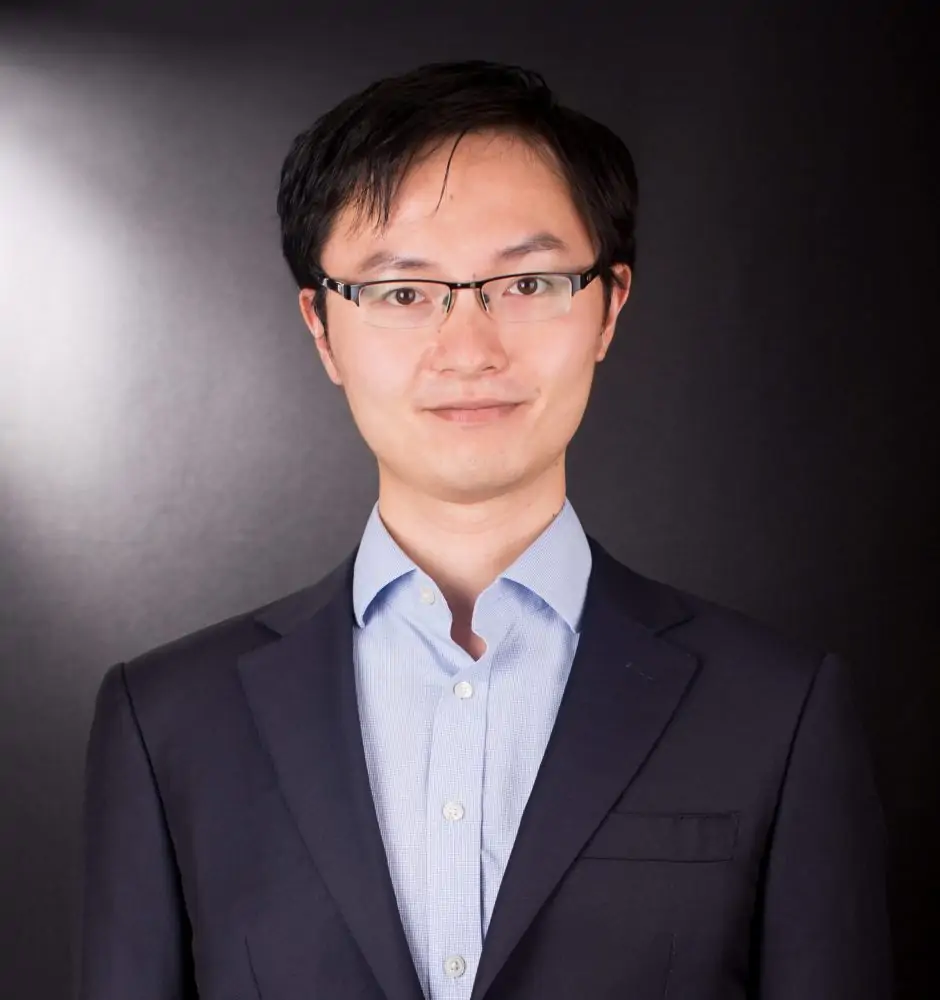
Top 5 questions about the Master of Sustainable Accounting and Finance programme, answered by our Programme Director Prof. Xiang FANG.
Sustainable accounting and finance issues are fast developing all over the world. Investment companies, corporate sectors and government agencies are increasingly concerned of environmental, social and governance problems that need to be solved urgently. After a comprehensive study in this programme, they can effectively participate in the marketplace, develop a successful career, and contribute to the betterment of our society.
The programme has interdisciplinary academic focus. Students are required to successfully complete courses on ESG from the perspectives of finance, accounting, economics, management, and so on. Students will grasp the key ideas of climate economics, sustainable investment, ESG ratings, and so on. Some topics will cover the latest technological developments such as the blockchain-based digital green bonds. Students will gain fundamental knowledge and develop critical thinking about sustainable accounting and finance.
The curriculum does not treat the three components of ESG equally. Instead, the ‘E’ component is given more weight and focus than the ‘S’ and ‘G’ components. Students will learn sustainable and green financial products. They will also study ESG disclosures and reporting. Other topics include carbon market and climate finance.
The capstone project course is one of the most special features of this programme. It is a good opportunity for students to apply what they have learned in the programme to actual corporate and market situations. Students can work with industrial corporations, investment firms or government agencies to provide effective solutions to practical problems related to ESG issues. Examples include corporate ESG management, sustainability strategies, and building ESG portfolios. Experiential learning and knowledge exchange are encouraged. Students can also work on a research project under the supervision of course instructors.
The graduates will play critical roles in achieving the United Nations’ Sustainable Development Goals and the two-degree temperature of Paris Agreement in corporations, financial institutions and government agencies. The courses will cover important topics faced by investors, managers, and policy makers, such as science-based target setting. Many ongoing innovations such as green, sustainable, sustainability-linked bonds will be explained in classes. ESG disclosure and reporting standards will also be taught in detail and help students to jump start their career in related areas. Students will engage in debates and address controversies on ESG issues. Some graduates will become chief sustainability officers or other top executives of their organizations.
Our Faculty
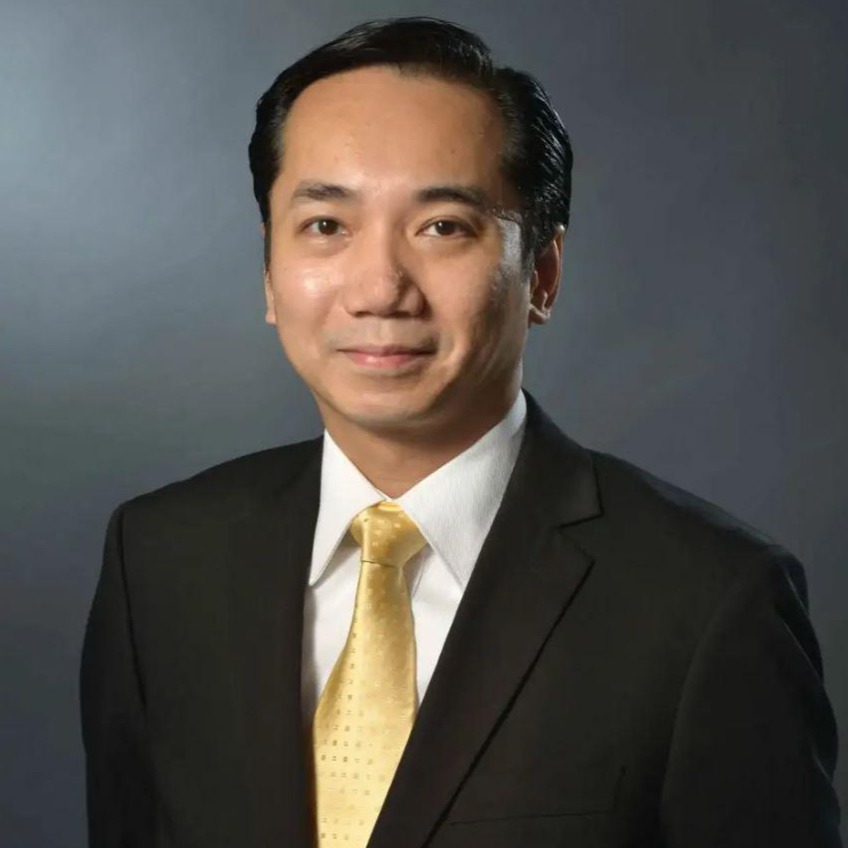
Ph.D., The Hong Kong University of Science and Technology, Hong Kong
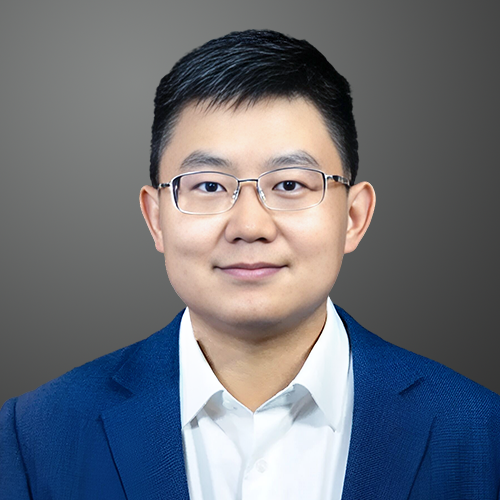
Ph.D., University of California, Berkeley
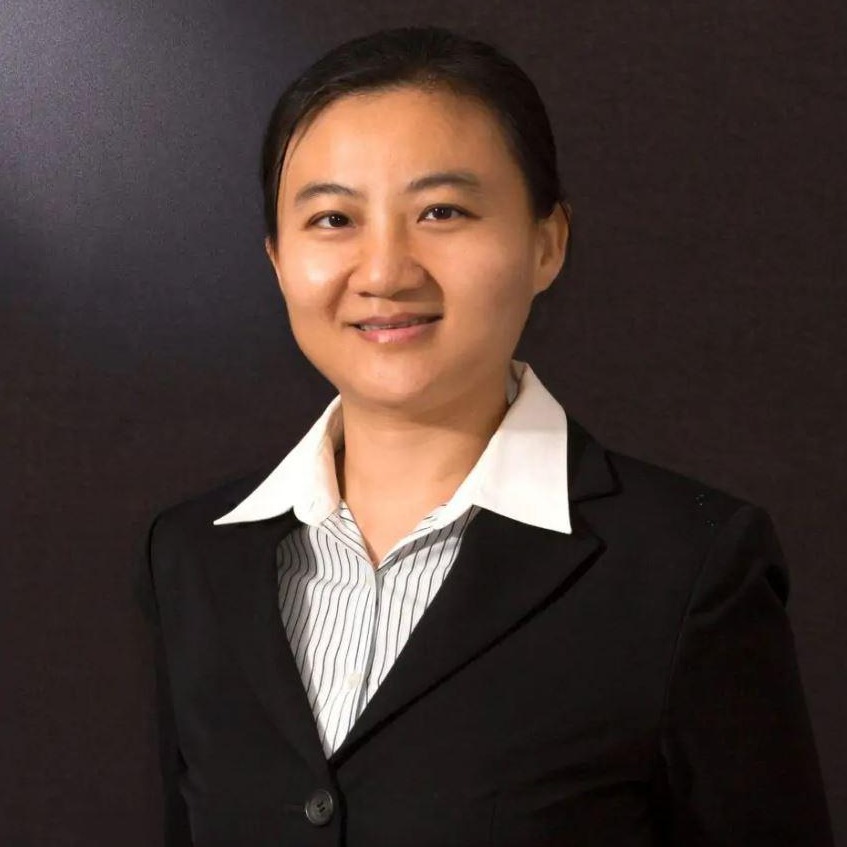
Ph.D., Fuqua School of Business, Duke University, United States
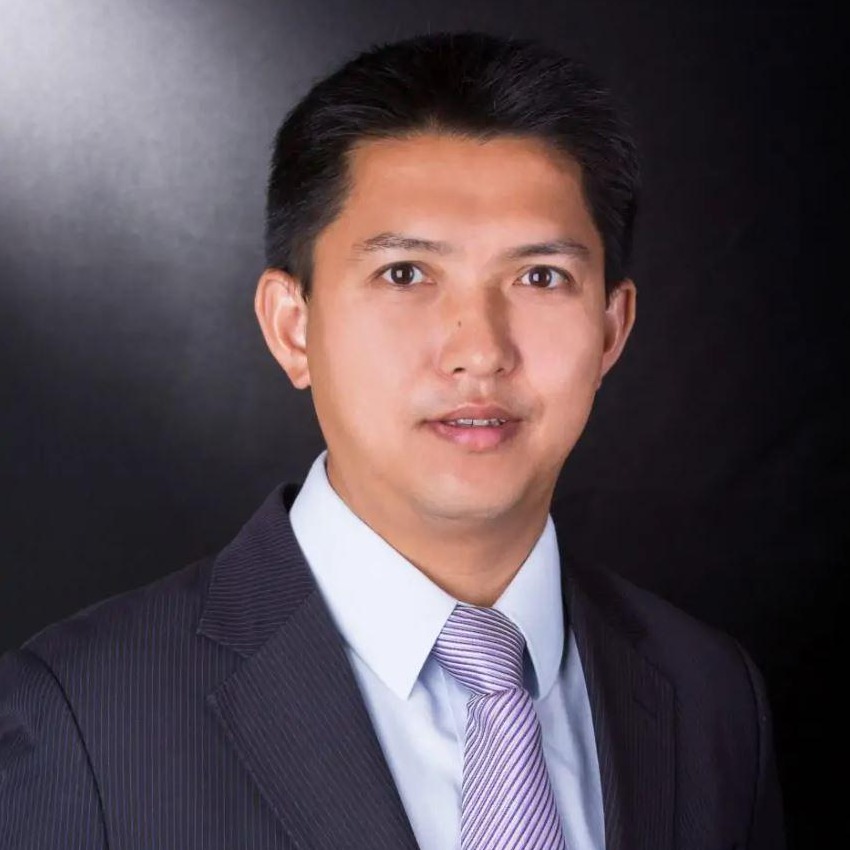
MSAF Programme Director
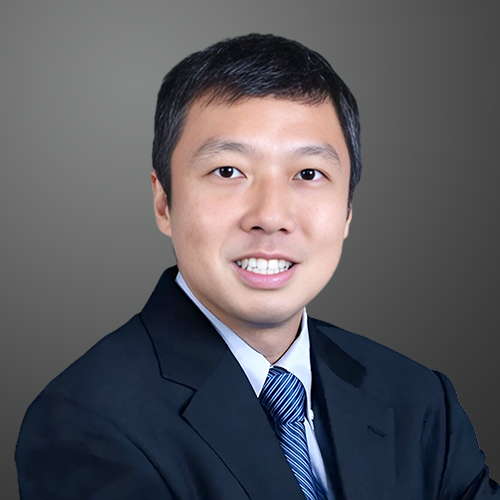
Area Head of Accounting and Law
Doctor of Philosophy in Accounting, The Wharton School, University of Pennsylvania
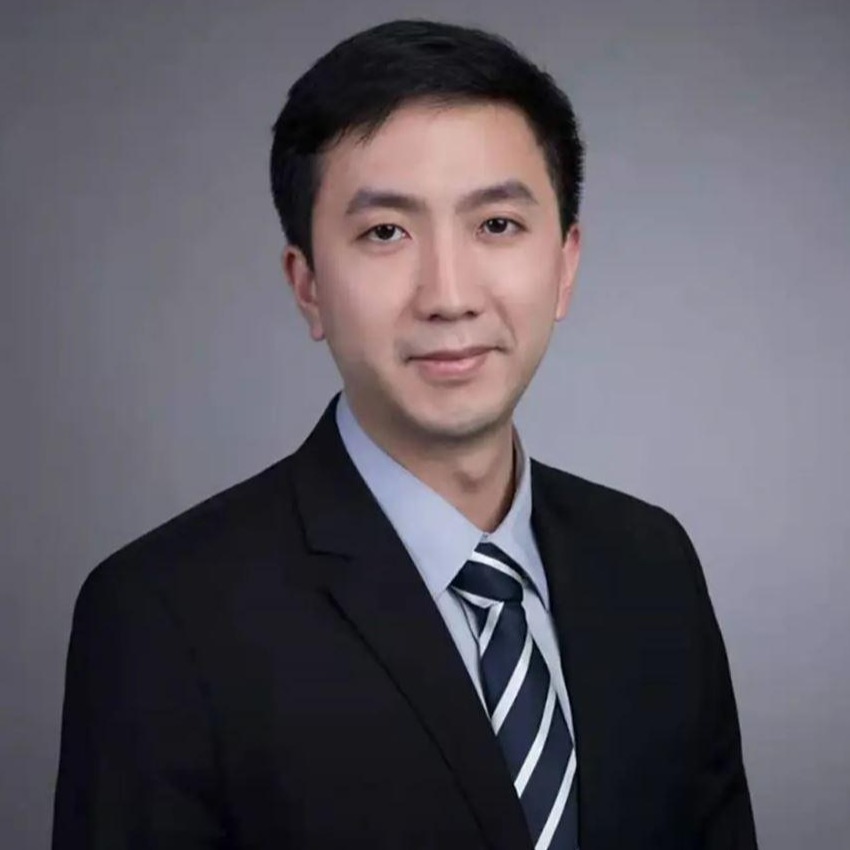
Ph.D., IESE Business School, Spain
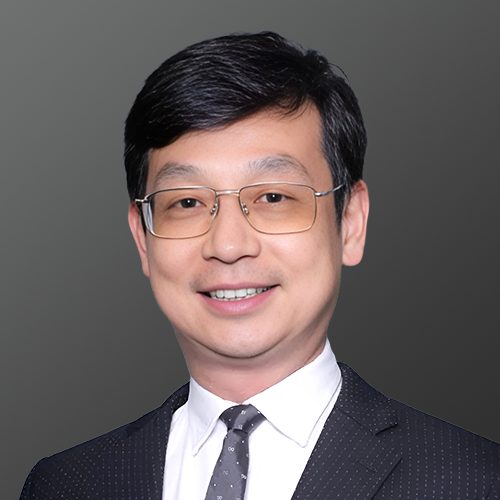
Ph.D. in Accounting, University of Pittsburgh

Ph.D., University of Waterloo, Canada

BEcon/BEcon & Fin Deputy Programme Director

Ph.D., University of California, Berkeley

Doctorate, Technische Universität München, Germany

JD, University of Michigan
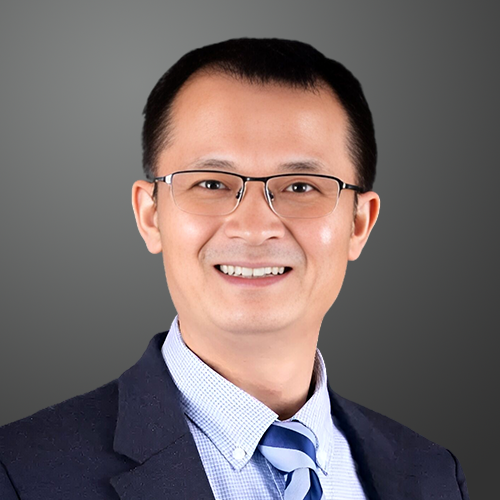
Associate Dean (Taught Postgraduate)

Professor of Practice
Curriculum Structure
Remark: Not all the courses listed will necessarily be offered each academic year and the listed courses are subject to further adjustments.
Course Exemption
Course exemption of up to two required courses, except the capstone course, may be granted (normally by examination) if candidates:
1. Can produce evidence, such as transcript and course syllabus, that a course is equivalent in content to another course taken elsewhere, for which a satisfactory grade has been obtained; or
2. Are holding relevant professional qualifications which were obtained before admission to the curriculum.
No credits will be given for the exempted course and candidates shall be required to take an approved alternative course of the same credit value.
Advanced Standing
Advanced standing of up to two required courses, except the capstone course, may be granted if:
1. The course is completed at a graduate, postgraduate or master level from a recognised curriculum elsewhere within the last four years before admission to the curriculum and a good grade in the course was achieved; or
2. The candidate possesses a relevant professional qualification which was obtained before admission to the curriculum.
In such cases, no replacement courses will be required and the tuition fees will be adjusted accordingly.
Applications for course exemption and advanced standing are subject to the approval of the Master of Sustainable Accounting and Finance Programme Director and committees concerned.
Remark: Not all the courses listed will necessarily be offered each academic year and the listed courses are subject to further adjustments.
Investors are increasingly concerned of the environmental, social, and governance (ESG) impact of their investments, in addition to conventional considerations of risk and return. For example, they may exclude firms or industries with high carbon emissions or pollutions from their portfolios. Such ESG considerations can affect, both positively and negatively, the financial performance of the investments. This course discusses typical ESG-motivated investment strategies. It also introduces impact investing ⸻ investments to achieve clear pre-specified ESG goals. The measurement of impact and the performance of such investments are deliberated in this course. Tools and concepts such as the United Nations’ Principles for Responsible Investment will also be covered in class.
Reducing carbon emission is critical to contain climate change. One of the goals of the 2015 Paris Agreement is to reach net-zero carbon emission globally by 2050. We need to price carbon emission properly so that relatively more efficient firms in terms of carbon emission intensity can be fostered and inefficient firms will be eliminated. One approach is to impose carbon tax. Many countries choose to establish carbon markets. This course discusses the cap-and-trade compliance market for carbon emission allowance. It also examines the voluntary carbon credit market. How carbon markets lead to better environmental outcomes and help finance clean technologies against climate change is also evaluated. Carbon markets around the world, especially in E.U., China, and USA will be covered. Students will learn the essential knowledge to qualify as trader, examiner, or accountant in the market.
Course Exemption
Course exemption of up to two required courses, except the capstone course, may be granted (normally by examination) if candidates:
1. Can produce evidence, such as transcript and course syllabus, that a course is equivalent in content to another course taken elsewhere, for which a satisfactory grade has been obtained; or
2. Are holding relevant professional qualifications which were obtained before admission to the curriculum.
No credits will be given for the exempted course and candidates shall be required to take an approved alternative course of the same credit value.
Advanced Standing
Advanced standing of up to two required courses, except the capstone course, may be granted if:
1. The course is completed at a graduate, postgraduate or master level from a recognised curriculum elsewhere within the last four years before admission to the curriculum and a good grade in the course was achieved; or
2. The candidate possesses a relevant professional qualification which was obtained before admission to the curriculum.
In such cases, no replacement courses will be required and the tuition fees will be adjusted accordingly.
Applications for course exemption and advanced standing are subject to the approval of the Master of Sustainable Accounting and Finance Programme Director and committees concerned.
Remark: Not all the courses listed will necessarily be offered each academic year and the listed courses are subject to further adjustments.
After the 1997-98 Asia financial crisis and the 2008-09 financial tsunami Europe and the United States, corporate governance and social responsibility have attracted widespread public attention and debates. In the past few decades, our Asian organizations have undergone dramatic transformations in their governance strategies and practices. However, what are the characteristics of corporate governance in Asia? How are Asian organizations adapting their governance in response to the dynamic business and regulatory environment? What are the impacts? Most of these questions are still under-explored. This is mainly because we do not fully understand our institutional and business environment and how these factors affect corporate and managerial behaviors. This course is designed to provide a theoretical framework to analyze these questions.
Note: This course is not open to candidates who have taken or are taking MACC7011 or PMGM7021.
Many countries have enacted or are enacting new rules and laws to regulate corporate behaviors or investment activities. For example, investment funds must follow through their ESG labels and objectives. One of the goals of such rules and laws is to curb greenwashing. Firms need to manage their activities to comply with regulations and achieve desired ESG outcomes. This course presents major ESG regulations around the world, especially in EU, China, and US. It will also discuss how corporations and investment firms can best cope with regulations to benefit stakeholders.
The Intergovernmental Panel on Climate Change (IPCC) has regularly released comprehensive reports on climate change, global warming and environmental crisis in the past three decades. However, there are still debates and skepticism on the current status, causes and consequences of climate change. This course covers relevant topics related to the economic, scientific, and engineering issues on climate change. Measurement and methodologies for climate change issues will be discussed, with linkage to climate finance tools. Understanding such issues help students to understand technological solutions to climate change such as carbon capture, utilisation, and storage (CCUS).
Firms and people can first and foremost manage their own behaviors on environmental, social and governance (ESG) issues, such as reducing their own carbon footprint. However, doing so alone is probably not enough to achieve net-zero, especially without strictly enforced government regulations. This course discusses the life cycle assessment of products and processes. It provides systematic analysis of sustainable supply chain management. Besides discussions on producers, how consumers can help rein in ESG activities by corporation is also examined.
The landscape of market practices in environmental, social and governance (ESG) is fast changing. One useful learning method to grasp ESG concepts and products is to participate in actual business scenarios, such as internships or international trips. This course allows students to gain first-hand experience and knowledge about ESG practices and developments. Students are required to submit a proposal with learning objectives for approval in order to enroll into this course. The project can be conducted locally or overseas, with an external corporation or organization. It can be in the form of internship or field study. Students will need to submit a final report, endorsed by the industry sponsor, to the programme for assessment.
The practices and research in the field of sustainable finance and ESG are fast developing. This course provides a venue to discuss current hot and important topics in the relevant areas. The content of this course will not overlap with that of other courses and can vary over time. The exact topics including potential research projects and debates will be determined by the course instructor.
This course introduces the basic principles and analysis of environmental and resource economics. It covers market developments, policies and regulations on natural resources. Basic concepts and analytical tools are illustrated, with a focus on current debates. The overall cost and benefit of environmental and resources use will be discussed. Incentives of market players and government bodies will be examined.
This course is designed to provide students an opportunity to acquire first-hand knowledge of international business environment. Experiential learning and knowledge exchange will be applied throughout the study field trip to develop students’ understanding of international business environment in a different cultural context and help them construct a global perspective. Firm visits and cultural related activities will be arranged during the study field trip to arouse students’ awareness in cultural diversity and enhance their understanding of how culture can impact international business strategy.
Note: This course is not open to candidates who have taken or are taking MACC7025, ECON6100, MFIN7057, PMGM7016, MSBA7034 or MSMK7020.
This course explains the most current and emerging developments in data-driven approaches to sustainability management and climate risk assessment. It serves as a bridge between academic studies and industry practice through direct engagement with leading data scientists, climate risk modelers, sustainability data officers, and fintech innovators who are actively shaping the future of climate analytics and risk management in Hong Kong, Asia, and globally. The course has both lectures and features distinguished industry speakers from climate data platforms, regulatory bodies, asset management firms, and carbon accounting startups, as well as policy makers. The cutting-edge topics include climate scenario analysis, physical and transition risk modeling, ESG data aggregation and quality control, natural language processing for climate disclosures, and machine learning applications in carbon footprinting. Students will gain firsthand insights into the practical challenges and opportunities facing practitioners who harness data analytics for sustainable accounting and finance.
This course introduces current topics on sustainability, technology, and business. This is a professional seminar-style course designed to provide students with real-time exposure to the most current and emerging developments at the intersection of sustainable practices, technological innovation, and business transformation. This course serves as a bridge between academic theory and industry practice through direct engagement with leading sustainability strategists and entrepreneurs who are actively shaping the future of responsible business in Hong Kong, Asia, and globally. The course employs an interactive seminar format featuring distinguished industry speakers as well as policy advisors and other experts. The course covers cutting-edge topics including the role of artificial intelligence in decarbonization, blockchain for supply chain transparency, and ESG data analytics. Students will gain firsthand insights into the practical challenges and opportunities facing practitioners who leverage technology to advance sustainability goals.
You can take up to two electives from the Master of Accounting, Master of Accounting Analytics, Master of Artificial Intelligence in Business, Master of Economics, Master of Finance, Master of Finance in Financial Technology, Master of Global Management, Master of Science in Business Analytics, Master of Science in Marketing or Master of Wealth Management programme at HKU. Enrollment in electives from other programmes is subject to seat availability and approval by the Programme Directors concerned based on your profile, capabilities and performance in the MSAF programme.
Since enrollment in other taught postgraduate electives is not guaranteed, you should always choose two MSAF electives during the course enrollment in our programme. Course enrollment results of other programmes may only be confirmed after that course has started. If your enrollment is successful, you can drop the MSAF elective(s) and enroll in the other taught postgraduate elective(s).
It is your responsibility to make sure you obtain enough credits to fulfill the graduation requirements and there is no overlapping of classes and exams in courses from different programmes.
*The list of available electives from other programmes may have prerequisite requirement(s) and is subject to change for future intakes.
Up to two elective courses may be taken from other taught postgraduate programmes offered by the School, subject to availability and review by the Programme Director based on students’ profile, capabilities, and performance in the Master of Sustainable Accounting and Finance programme.
Remark: Not all the courses listed will necessarily be offered each academic year and the listed courses are subject to further adjustments.
This capstone course asks students to apply what they have learned in the programme to actual corporate and market situations. Students can work with industrial corporations, investment firms or government agencies to provide effective solutions to practical problems related to environmental, social, and governance (ESG) issues. Examples include corporate ESG management, sustainability strategies, and building ESG portfolios. Experiential learning and knowledge exchange are encouraged. Students can also work on a research project under the supervision of course instructors. The project topics are self-selected by students.
This course aims to bridge academic learning with real-world applications, equipping students for their future careers through practical problem-solving. This course enables students to integrate and apply the knowledge and techniques that they have learned in previous courses in a business project. Teams of students will carry out business projects using real-world data and have the opportunity to be involved in different stages in a business project, including project planning and management, strategy setting, model building, data analysis and interpretation, and result presentation. In the process, students will become familiar with the use of analytics tools and managerial skills in business projects. This course offers a dynamic and student-centered experience that fosters real-world engagement and career readiness.
Class Profile
Sample List of Previous Employers
- Accenture
- Agricultural Bank of China
- Bank of China
- ByteDance
- China CITIC Bank
- China Construction Bank
- China International Capital Corporation Limited
- CITIC Securities
- Deloitte
- EY
- Guotai Haitong Securities
- Hang Seng Bank
- HSBC
- Huatai Securities
- Huawei
- J.P. Morgan
- KPMG
- PwC
- Shenwan Hongyuan
- Zurich Insurance