

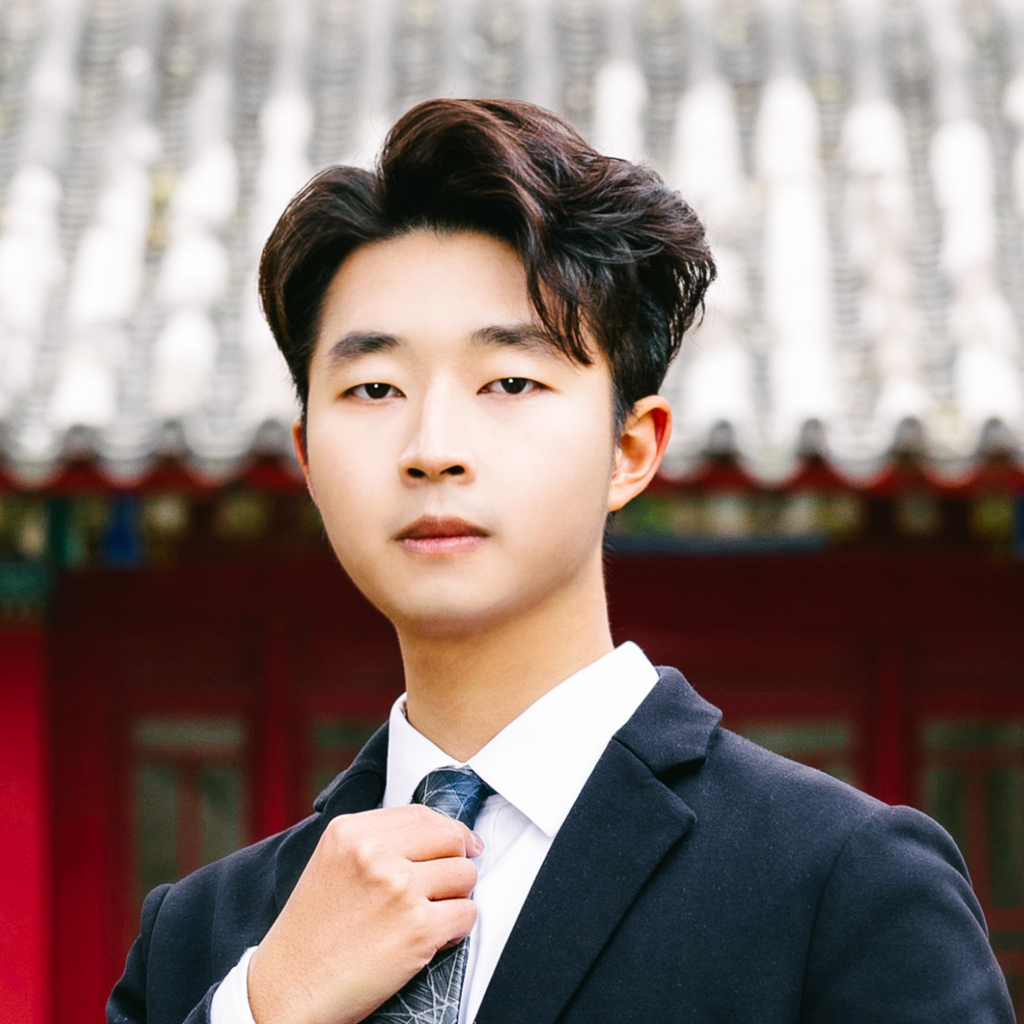
Before beginning my master’s programme, I was already determined to become a secondary market researcher. This motivation stemmed from my internship and personal investment experiences. From my first exposure to consulting in Year 1 to conducting industry research at securities firms and fund management companies, I steadily found joy in building investment logic.
My master’s studies definitely supported my career goals. The Business Analytics programme methodically enhanced my abilities to understand and analyse data. The curriculum closely mirrored real-world business scenarios – from basic knowledge of programming to data model training, everything was linked back to actual business projects.

My academic journey has been deeply influenced by my family. My father is a high school professor in Hong Kong while my brother works in the IT industry in America. Although I received an offer from Columbia University, I ultimately chose to study at HKU. My father has experience in starting a company, and he believes HKU provides better connections for career development. The city also offers many career opportunities.
HKU’s programme is fast-paced and compact. It focuses on case studies, practical applications and industry participation. I’ve learned a lot in a short amount of time, which has enhanced my learning abilities and prepared me for my future career growth.

I majored in Computer Science at Monash University Malaysia, where I discovered the business value of data through a data visualisation elective. However, this experience left me feeling unfulfilled by purely back-end technical roles. This led me to pursue a MSc in Business Analytics at HKU Business School, with the aim of using data to empower business decision-making.
HKU Business School Masters curriculum strongly emphasises practical application. Case studies simulating real-world business scenarios, such as inventory management and profit calculation, helped me bridge the gap between theory and practice. One course that particularly impressed me was Dr Ding Chao’s “Business Intelligence and Analytics”. Dr Ding is renowned for his patient and meticulous teaching style, which is helpful for beginners. His step-by-step explanations and progressively challenging assignments help students to develop a solid foundation in programming and data analytics.
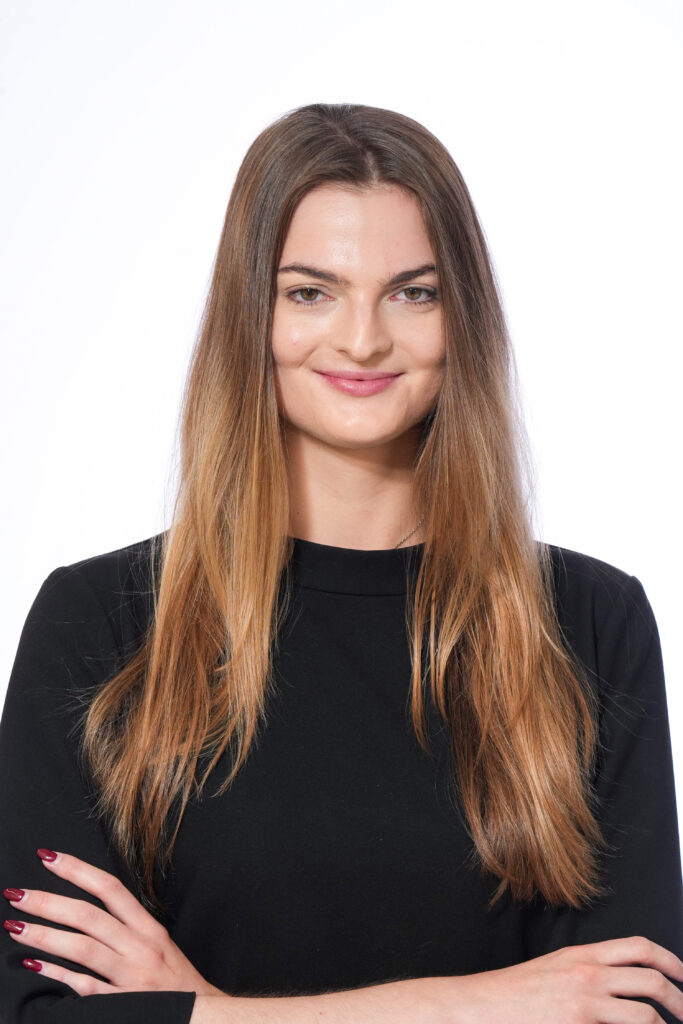
I chose to pursue my postgraduate degree at HKU after an enriching undergraduate exchange in Hong Kong, where I fell in love with the city and HKU campus life. After 3 years in the banking industry in Europe, I felt inspired to return to Hong Kong for a Master of Science in Business Analytics.
In the UK, I lived near campus and was active in student clubs, but during my postgraduate studies in Hong Kong, my lifestyle has changed. I spend more time hiking and enjoying nature to balance the increased screen time from my coursework. I also appreciated the entrepreneur and CEO lectures organised by HKU Business School, which inspired me to work harder towards my goals.
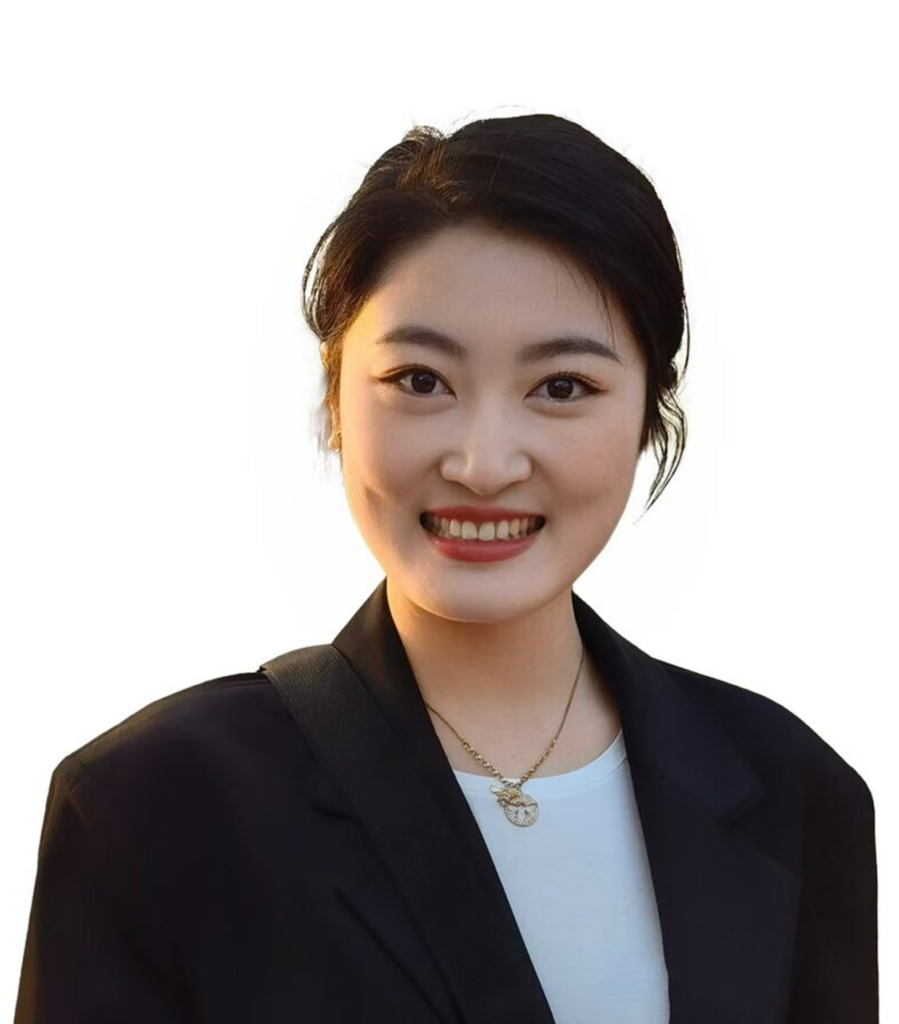
I believe that many students, like me, are confused about their career direction, but I have always believed that life is a process of continuous exploration, and you need to find the most suitable path for yourself in constant trial. After working at EY for 3 years and having become a project leader, I gained an overall understanding of the audit process and found myself particularly interested in substantive analysis. Therefore, I applied for the Master of Science in Business Analytics programme at HKU Business School with the intention of acquiring more knowledge and skills in this field which will contribute to my career development.
During our master’s studies, we were encouraged to dare to try, whether it was the ‘soft skills’ of answering questions in the classroom or the ‘hard knowledge’ of processing data without standardised answers. The school’s capstone project, flexible graduation times and abundant career training activities are also extremely advantageous, which also increases the success rate of our job hunting.

During my time at HKU, the Capstone Course left the strongest impression on me. It was my favourite course because it involved taking on a real business project, allowing me to apply classroom skills directly to a real-world context.
In the Capstone Course, my team built a national business entity ranking model, along with a sales and annual customer flow forecasting model for the Ni Ning Company. The team tested multiple methods, continually refining the model to improve its accuracy and practicality. I was mainly responsible for building the user interface. I initially tried a web-based version, but it ran too slowly, so I switched to creating a pop-up interface in Python that prompts users to input data and generates the output. This was not just a technical hurdle but also an exercise that refined my logical thinking and problem-solving abilities. Throughout the process, Professor Wei Zhang’s guidance showcased the rigour and commitment of an education at HKU. Ultimately, the project’s outcomes were recognised by the company and put into practical use.
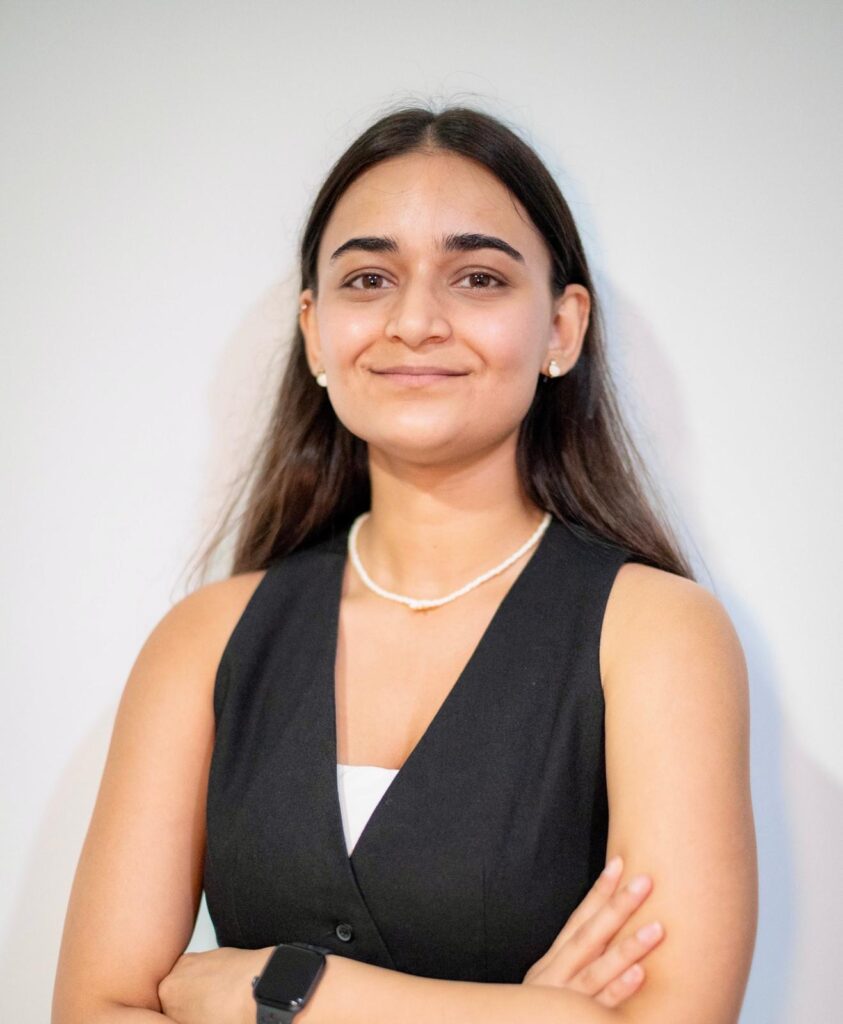
I was introduced to the world of business and data analytics during my two years at Foodpanda Hong Kong. My time there revealed the transformative power of big data, where I became fascinated by the ability to extract meaningful insights from complex datasets and turn them into actionable strategies. This experience solidified my determination to pursue a Master of Science in Business Analytics at HKU Business School, as I recognised the need for advanced knowledge and skills to navigate the evolving landscape of data-driven decision-making.
At HKU Business School, I am impressed by the school’s commitment to preparing students for their future careers. The curriculum is designed not only to provide theoretical knowledge but also to emphasize practical applications and real-world experiences. Faculty members are dedicated to mentoring students, guiding us in identifying our strengths and weaknesses, and actively supporting our career aspirations. The school’s focus on professional development and industry connections reassures me that I will be well-equipped to achieve my career goals.
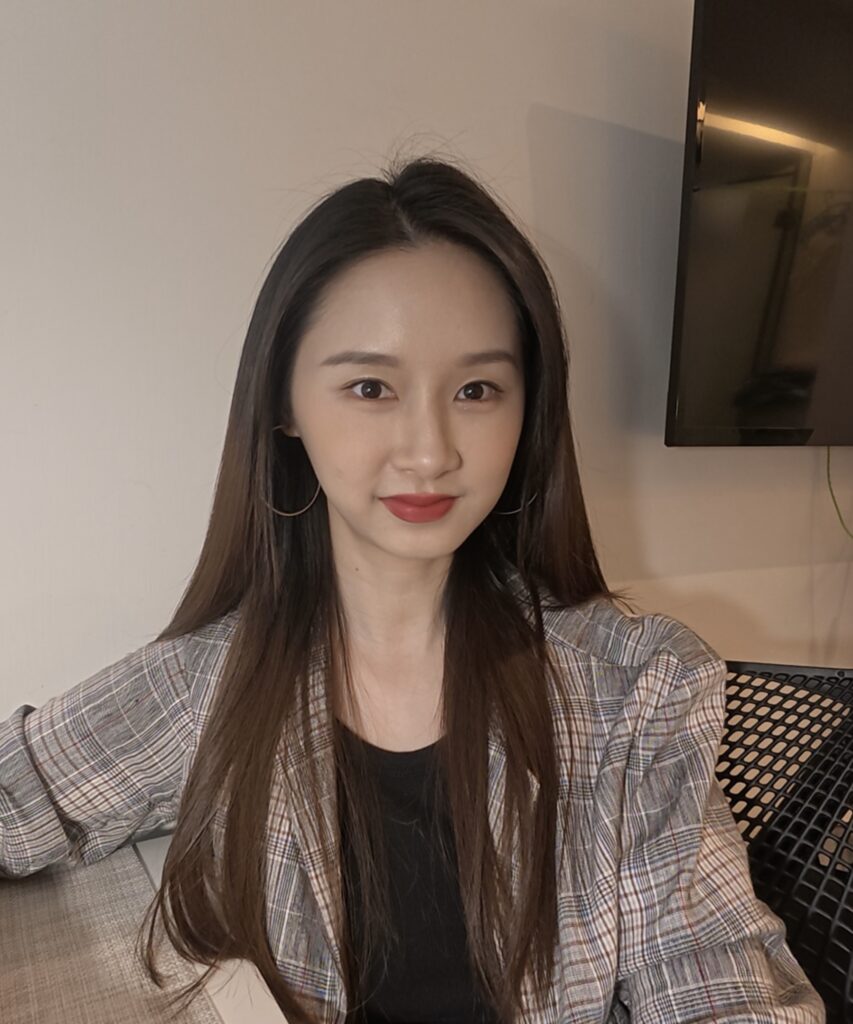
I love the fast-paced lifestyle in Hong Kong, which enables me to maintain a positive attitude towards life and a highly efficient learning status at all times, and motivates me to keep striving to improve my personal capabilities.
HKU Business School allows students to choose their graduation time flexibly. The modular system of the school allows students to enjoy a great deal of autonomy in their choices. We can schedule our own classes and strive to finish most of the courses in the previous modules, and spend the rest of the time on internships, job hunting, travelling, and so forth.
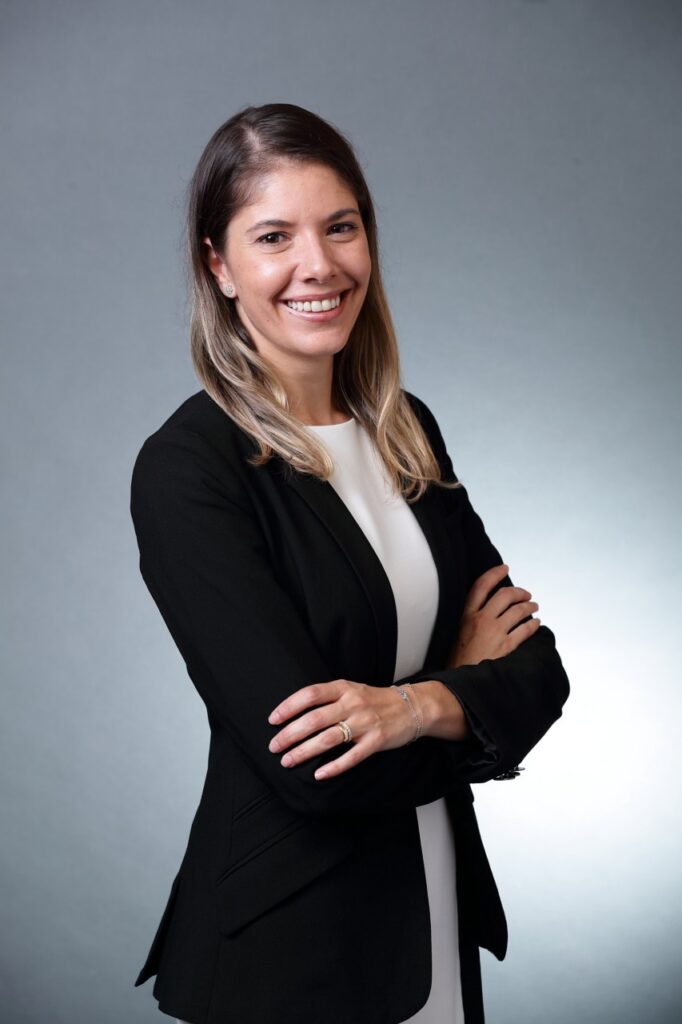
Originally from Brazil, I came to Hong Kong with my husband for his work and chose to pursue my studies at HKU. The experience broadened my international perspective and allowed me to seamlessly transition into a top-tier startup environment with many different nationalities. I credit the HKU programme for this smooth progression. Our teachers constantly reminded us to understand business and consider how data could serve banking strategies, not just focus on our own roles. This mindset helped me fit into that environment.
For me, MSc(BA) was more than a degree—it was a career launchpad. Today, I have embarked on my entrepreneurial journey by founding TraceLab, a technology company dedicated to providing data protection services for individuals and companies, thereby upholding my conviction that “data can improve lives”.