



Words from Programme Director
Master of Accounting
The Master of Accounting programme at HKU Business School offers three streams and provide students the option to choose according to their interests and career aspirations. Students may choose to concentrate on one of three streams: 1) Accounting Analytics and Big Data Stream; 2) Financial Reporting and Valuation Stream; 3) ESG and Strategic Management Stream. They may also consider double concentrating if there are any two they are particularly passionate about. Our comprehensive curriculum is accredited by ACCA, CPA Australia, CIMA and HKICPA, and students on this programme benefit from our professional partnership with ACCA and KPMG. The programme explores theories on the importance of accounting roles in executive decisions, preparing you to be professional accountants, financial experts and future business leaders. Through exploring analytics and big data in accounting, students will learn how to take insights and information.
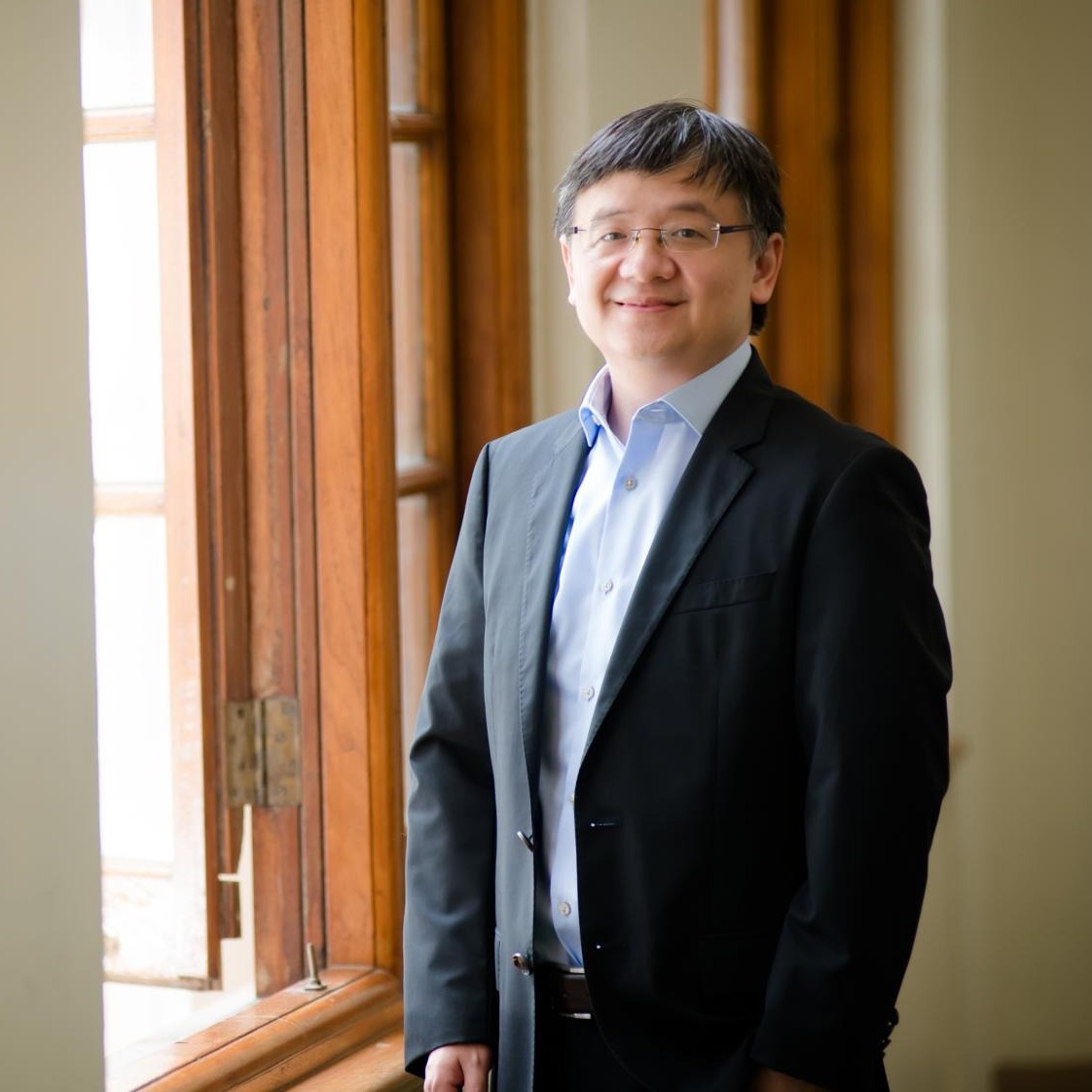
Welcome to the Master of Accounting Programme at HKU Business School. Below are the 5 most frequently asked questions by our applicants and we have them answered by Prof. Hui for you to catch a glimpse of the MAcct Programme.
It depends on the interests of the student. We cover several in-depth areas. In particular, our programme values leadership and analytic skills, as well as critical thinking. We would like students to become the future leaders of the profession.
Anyone who is interested in the accounting profession. We look for the qualified students with intellect, a good command of English, a career vision in accounting and finance and the confidence and dedication to achieve excellence.
Another purpose of the programme is to establish cutting edge knowledge at an advanced level. Elective courses cover numerous accounting fields that bring you up to the graduate level. Accounting students will have course waivers and exemptions that allow them to leap to the advanced level. They may also take electives from other postgraduate programmes to enrich their knowledge.
The programme covers elements of basic accounting knowledge, making it suitable for non-business major students. The curriculum will be challenging for them, but well manageable given the guidance we give them.
Our curriculum design is based on the most recent developments in the industry. There are also guest speakers and industry and career talks that bring about the latest developments. The curriculum has been updated over time to keep up with the latest global standards.
Our Faculty

Ph.D., Accounting, The University of Melbourne

Area Head of Accounting and Law
Doctor of Philosophy in Accounting, The Wharton School, University of Pennsylvania


Ph.D., The University of Texas at Dallas, United States

MAIB Programme Director

Ph.D., Purdue University, United States
Assistant Dean (Taught Postgraduate)

Ph.D., University of Waterloo, Canada

Ph.D., The Chinese University of Hong Kong, Hong Kong

Associate Dean (Research and Knowledge Exchange)
Ph.D., Yale University, 2008

Ph.D., University of California San Diego
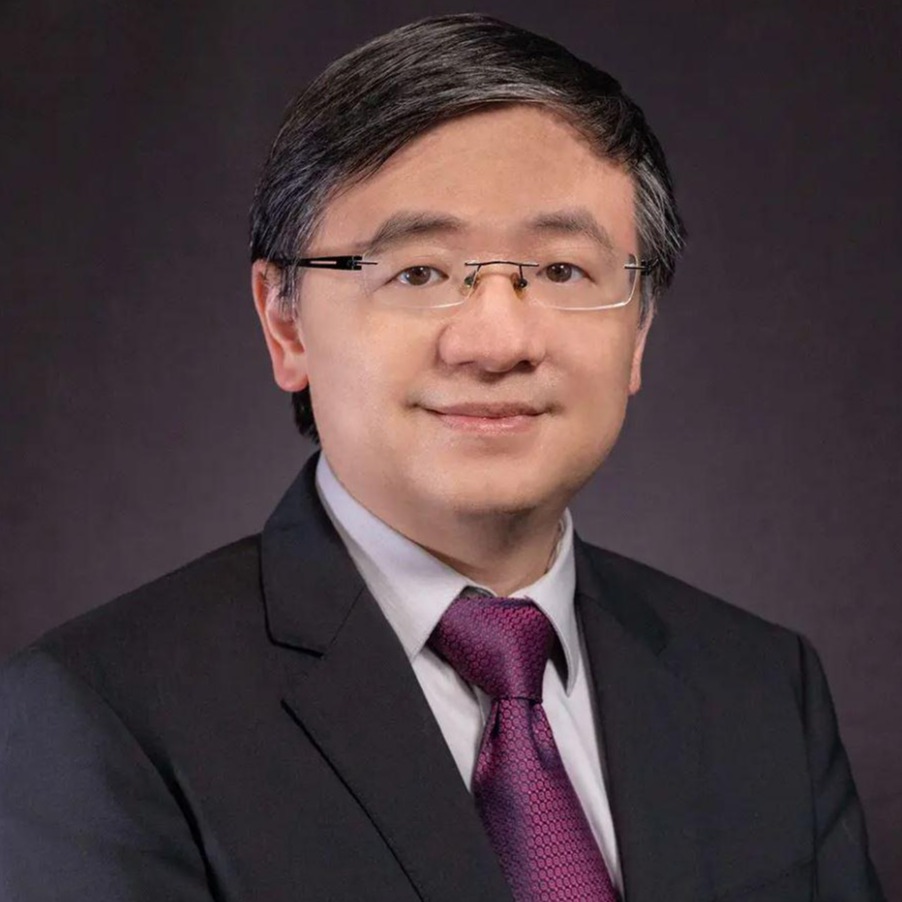
Ph.D., University of Oregon, United States, MAcct Programme Director

FCPA, HKICPA (HK)

Ph.D., University of Auckland, New Zealand

Ph.D., Australian National University, Australia

Member of the Hong Kong Institute of Certified Public Accountants

J.D., UCLA School of Law, United States

JD, University of Michigan

Ph.D., The Chinese University of Hong Kong

Ph.D., The Chinese University of Hong Kong, Hong Kong

Ph.D., Columbia University, United States

Ph.D., University of Pittsburgh
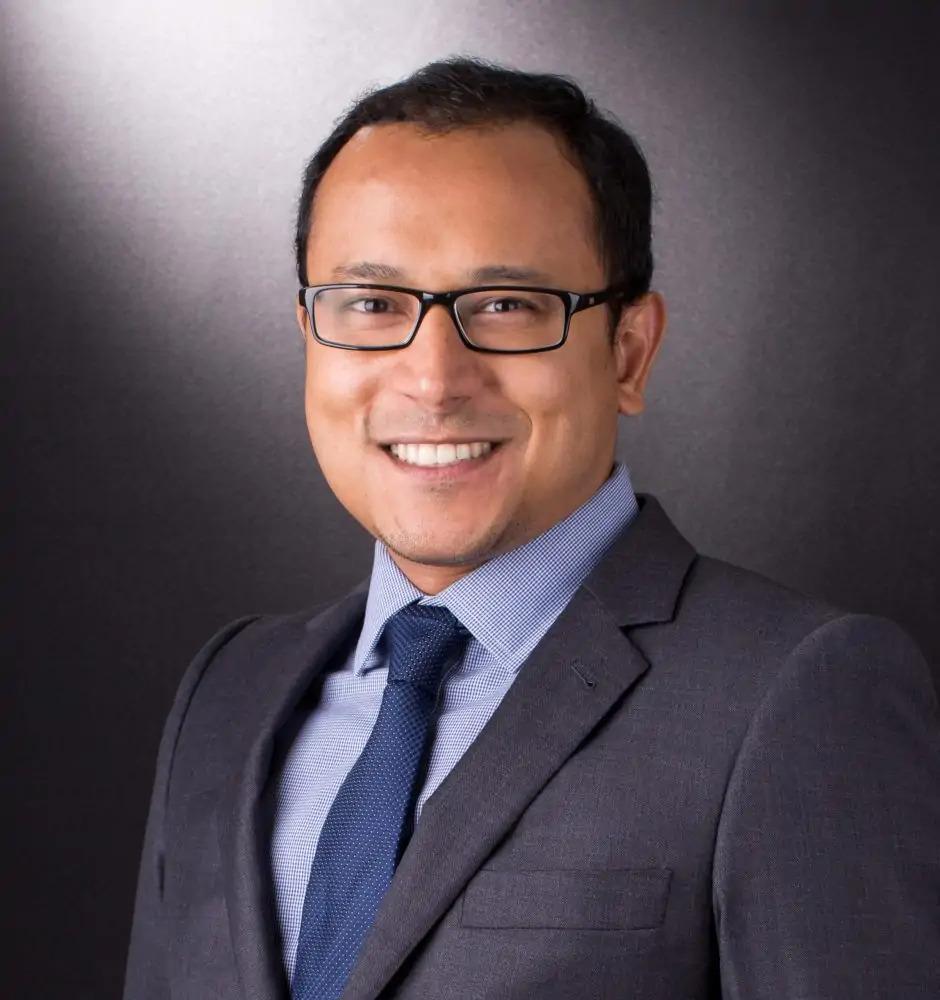
PhD, University of British Columbia, Canada

Ph.D., University of North Carolina, United States
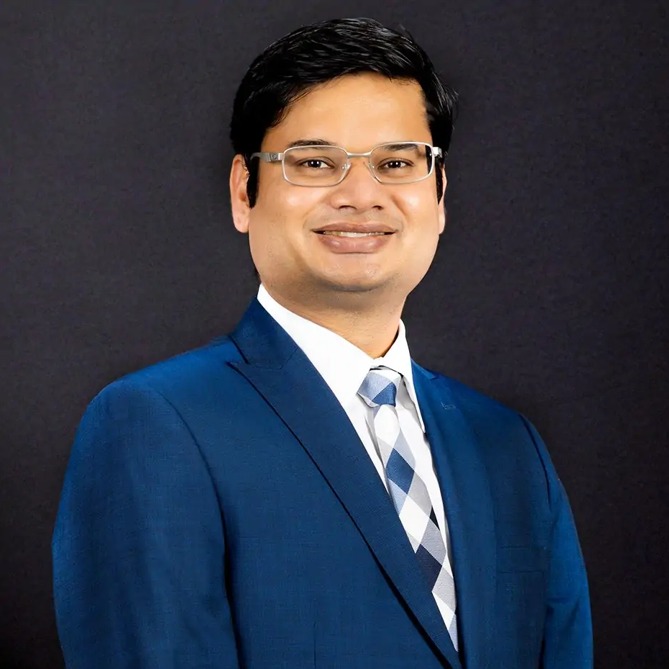
Ph.D., London Business School

Associate Dean (Taught Postgraduate)

Ph.D., University of Toronto, MAA Programme Director

Ph.D., University of British Columbia, Canada

Ph.D., Frankfurt School of Finance & Management
Pre-programme Boot Camp
We recruit students from diverse backgrounds each year to enrich your learning experience. To ensure everyone has the foundational knowledge and skills required to fulfil the requirements for professional accounting accreditations, mandatory boot camp courses covering below business topics will be offered in:
For Economic and Statistic Analysis, each topic consists of 15 hours of interactive lectures and an examination at the end.
A 15-hour refresher course on fundamental accounting concepts, Preparatory Courses for Accounting, will also be provided to brush up students’ accounting skill.
Students are required to attend all classes and pass all boot camp courses.
The Programme offers three streams:


Single Concentration
Students are required to complete a total of 12 courses including:
Students may choose to concentrate in one of the three streams according to their interests and career aspirations. Students may also choose to graduate without concentration provided that they complete the seven fundamental core courses, any one of the capstone courses and four electives.Double Concentration
Students are required to complete a total of 14 courses including students pursuing double concentration will incur additional course fees and the additional course fees may subject to annual adjustment.
Students can be awarded their degree with double concentration in any two of the three areas, provided that they have successfully completed all the core courses in both areas, plus three electives. Normally students are able to complete double concentration within one year.
We recruit students from diverse backgrounds each year to enrich your learning experience. To ensure everyone has the foundational knowledge and skills required to fulfil the requirements for professional accounting accreditations, mandatory boot camp courses covering below business topics will be offered in:
- Economics
- Preparatory Course for Accounting Fundamentals
- Statistical Analysis
For Economic and Statistic Analysis, each topic consists of 15 hours of interactive lectures and an examination at the end. Refresher course on fundamental accounting concepts, Preparatory Course for Accounting Fundamentals, will also be provided to brush up students’ accounting skills.
Course Exemption
Course exemption of up to two required courses, except the capstone course, may be granted (normally by examination) if candidates:
1. Can produce evidence, such as transcript and course syllabus, that a course is equivalent in content to another course taken elsewhere for which a satisfactory grade has been obtained; or
2. Are holding relevant professional qualifications which were obtained before admission to the curriculum.
No credits will be given for the exempted course and candidates shall be required to take an approved alternative course of the same credit value.
Applications for course exemption are subject to the approval of the Master of Accounting Programme Director and committees concerned.
Remarks: Not all the courses listed will necessarily be offered each academic year and the listed courses are subject to further adjustments.
This course aims to equip students with the fundamental knowledge in the preparation, interpretation and use of financial statements. It reviews the conceptual framework underlying financial reporting by business enterprises and focuses on the detailed recording and reporting of the basic items in the financial statements. This course provides students with a solid foundation of single-company financial reporting and prepares them for more advanced accounting courses.
This course offers an in-depth analysis of management accounting systems and their use in firms’ decision-making, planning, and control. Major topics include the different methods of product costing, the design of planning and budgeting systems, and performance measurement issues. Some management control and corporate finance issues for multinational corporations will be discussed. Corporate ethics are also incorporated into the discussions.
This course aims to provide students with sound and in-depth technical and conceptual knowledge in relation to advanced financing accounting topics. We will explore regulatory frameworks and practical applications concerning principles pertaining to revenue recognition, leases, financial instruments and risk management, foreign currency transactions and translations, consolidated financial statements, as well as issues concerning segment reporting and related party transactions. Through case studies, real-world financial statements, and IFRS standards, students will develop critical analytical skills and technical proficiency in advanced financial reporting.
This course aims to introduce the Hong Kong tax system. It provides students with knowledge of property tax, salaries tax, profits tax, tax depreciation allowance, personal assessment, and tax administration. The course will develop students’ analytical ability to solve technical tax problems in a systematic way. It will prepare students so that they can demonstrate generic skills and develop an ethical outlook and sense of professional integrity when dealing with tax related-issues. This course further imparts students with an understanding of global tax planning considerations and strategies, including China Tax, for the relevant tax regulations and planning techniques.
The course’s objectives are to develop students’ knowledge and understanding of the main legal and ethical principles relevant for a business professional. After establishing a basic foundation in business law, the course will delve into the specifics of Hong Kong Company Law, where corporate governance will be a key theme. During the course, the economic and business context of law and in particular, the way in which the law seeks to strike a balance between the interests of various stakeholders including companies, shareholders, creditors, and the public will be explored. The course will also deeply explore ethics with a focus on understanding its impact on individual behavior, businesses, and society, including the growing importance of ethical considerations related to the users and producers of technology.
This course is about understanding the role of information systems in managing the entire data lifecycle (including capabilities for acquiring, integrating, managing, and analyzing data) as it pertains to accounting professionals. In the era of “big data”, the defining properties volume, velocity, and variety make it difficult to understand and use data. Meanwhile, explosion of data enables firms to get insights into many aspects of their business. Data analytics then becomes an important skill for accountants as it automates document handling, facilitates anomalies detection, and manages regulatory compliance.
The objective of this course is to develop students’ understanding of the decisions made and methods used by auditors when verifying management's assertions in corporate financial statements. Auditing does not take place in a vacuum, but rather in a complex economic, regulatory, and institutional environment that is evolving and changing. In addition, this environment varies across countries, and auditing is very much a global business. Thus a second objective is to develop students’ understanding of the forces that have shaped and continue to shape auditing practices in Hong Kong (China), mainland China, the US, and elsewhere (e.g., major corporate bankruptcies and frauds, changing government regulations here and abroad). The course will emphasize the basic principles, concepts, and methods of auditing. This course introduces the basic concepts in quantitative business analysis to help you gain a clear understanding of the key elements in the decision-making process. We discuss methods that are used extensively in business organizations. These methods provide you with the tools and the skills to approach, analyze, and solve problems of varying scales. Furthermore, this course aims at improving a decision-maker’s overall problem-solving ability by stressing approaches to 1) understand and question assumptions, 2) consider a richer set of solution alternatives, and 3) consider diverse measures of performance.
Course Exemption
Course exemption of up to two required courses, except the capstone course, may be granted (normally by examination) if candidates:
1. Can produce evidence, such as transcript and course syllabus, that a course is equivalent in content to another course taken elsewhere for which a satisfactory grade has been obtained; or
2. Are holding relevant professional qualifications which were obtained before admission to the curriculum.
No credits will be given for the exempted course and candidates shall be required to take an approved alternative course of the same credit value.
Applications for course exemption are subject to the approval of the Master of Accounting Programme Director and committees concerned.
Remarks: Not all the courses listed will necessarily be offered each academic year and the listed courses are subject to further adjustments.
Data analytics has brought tremendous changes to the world around us in the past decade and is fundamentally transforming the ways in which we live and work. Application of data analytics in Accounting can benefit accountants significantly, and accountants can address fundamental business and accounting questions by leveraging data analytics. This course on advanced data analytics in accounting will prepare students to apply data analytics in a systematic fashion to different domains of accounting and develop key skills required for an analytics mindset that are valued significantly by industry. The skills we will focus in developing are data preparation and understanding quality of data, performing descriptive data analysis, data manipulation, addressing business and accounting problems using statistical analysis, and creating visualizations that allow business users to see data with new insights. The course will combine a mix of theory and handson-practice by utilizing real world datasets and case studies in the context of accounting areas such as Audit, Financial Accounting, Managerial Accounting, Forensic accounting, and Tax.
This course provides a high-level view of what accounting is about and why and how it is important for the real economy and financial markets. Going beyond the rules and procedures that are taught in other accounting courses, this course takes the perspective of those who use accounting information to make decisions in business organizations and financial markets (i.e., analysts and investors, lenders, the board of directors, regulators). Topics include the use of accounting information in business valuation, market efficiency, investment strategies, debt contracts, and executive compensation. The course emphasizes both the practical techniques for how to properly use accounting information and the theoretical foundation for the techniques (the why question).
Investors and other corporate stakeholders are increasingly calling for high-quality reporting by companies on sustainability performance and environmental, social and governance (ESG) matters. This course offers an in-depth and comprehensive discussion of ESG reporting with an emphasis on its practical application in the corporations and business world. Major topics include ESG reporting standards, corporate disclosure of various ESG matters, ESG rating, ESG scandal, and auditing of ESG reports. Issues on the carbon emission trading and the development of carbon markets will also be discussed.
Course Exemption
Course exemption of up to two required courses, except the capstone course, may be granted (normally by examination) if candidates:
1. Can produce evidence, such as transcript and course syllabus, that a course is equivalent in content to another course taken elsewhere for which a satisfactory grade has been obtained; or
2. Are holding relevant professional qualifications which were obtained before admission to the curriculum.
No credits will be given for the exempted course and candidates shall be required to take an approved alternative course of the same credit value.
Applications for course exemption are subject to the approval of the Master of Accounting Programme Director and committees concerned.
Remarks: Not all the courses listed will necessarily be offered each academic year and the listed courses are subject to further adjustments.
Financial markets are not just about numbers—they are also about trust. This course pulls back the curtain on how HK maintains a fair, transparent, and resilient market. Through the lens of real cases —insider dealing, corporate and IPO scandals, dawn raids—this course examines the nuances of financial markets regulation, the powers of the regulators, and recent seismic reforms in equity issuances. What can be done to manage increased regulatory scrutiny without compromising business agility? To answer this, the role of compliance, standing at the intersection of law, ethics and risk management will be explored; as will concepts of enhanced good corporate governance. Participants will develop the skills to navigate complex regulatory environments and to understand the interplay between regulations, business strategies, and institutional accountability.
As multinational enterprises (MNEs) expand across jurisdictions, they face complex tax rules, greater scrutiny, and rapidly evolving international standards. This course provides an overview of international tax and transfer pricing for managers. By the end of the course, students will be able to analyze common cross-border structures, identify major international tax risks for MNEs, and assess how tax and transfer pricing rules influence business decisions. The course is highly relevant for business managers, strategy consultants, investment bankers, and financial analysts.
This course introduces the basic topics of management. It provides the students with an understanding of what the job of a manager involves. In addition to covering the basic theoretical concepts, the course also allows the students to have some hands-on practice as an effective manager. Furthermore, this course has a strong emphasis on learning through real world examples. Upon finishing this course, students should have a solid understanding of (a) the contemporary issues faced by most managers today, and (b) the roles managers play in the process of attaining organizational goals.
This course introduces corporate finance topics, including capital budgeting techniques and financial and risk management. It identifies and provides a framework for analyzing the major financial decisions made by a firm. Issues addressed include asset valuation models, investment decision making, analysis of risk, financial planning, dividend policy, working capital management, sources of long-term finances and the cost of capital, and the financial mix for the firm.
The ability to store, retrieve, and manipulate data using modern database systems is essential to the success of data analytics. Besides relational databases that have been widely used in transactional systems and dimensional databases that have been the core of data warehouses, non-relational databases have also gained much popularity nowadays because of their flexibility to handle semi-structured and unstructured data. This course aims to introduce the fundamental principles of the design, development, and administration of various database models. Students will learn the basic concepts involved in the design and management of relational databases, dimensional databases, and NoSQL databases.
This course aims to introduce students to the fundamental concepts in forensic accounting, enhance students' awareness to various fraud schemes, including financial statement frauds and corruption, promote detections and preventions of earnings management, frauds, and corruption. Students will gain the concepts and applications of the course content through a variety of teaching and learning materials and activities, including and not limit to book chapters, articles, slides, videos, cases, presentations, discussions, connections with industry professionals in Forensic Accounting, and other interactive lecture activities.
This course is designed to help students develop strategies to create and extract value from applying social media analytics. Techniques covered will include web scraping, data management, machine learning, social network analytics, text analytics, natural language processing, sentiment analysis, and knowledge mining. Students will also learn how to carry out a business analytics project from beginning to end.
The course aims to examine questions on different aspects of a modern full-service bank, including how it makes profit in each of the main business areas, as well as the main risks that it faces and how it manages those risks. The course focuses on financial statement analysis and also analyzing the accounting and disclosure rules for financial instruments, in order to reveal the strategies followed by the bank given the various regulations under which it operates.
This course is an in-depth exploration of the intersection between sustainability/ESG (environmental, social, and governance) factors and their influence on the financial markets. The goal of the course is to introduce economic frameworks to critically view the dynamics of ESG in practice nowadays to graduate students. Topics covered includes the economics root of sustainability/ESG, ESG reporting and disclosure framework, ESG investing, rating agencies and measurement, and social impacts of ESG. Course materials combine the insights from academic research and real-world business cases. Through lectures, case studies, guest speakers, and interactive workshops, participants will be equipped with the knowledge and tools to critically engage with and contribute to the field of ESG in capital markets.
This course aims to provide specialized knowledge on accounting topics and issues which are practical for students to develop their professional career in financial reporting for both profit and non-profit organizations. We will cover more complex issues in group accounting such as inclusion of associates and joint arrangements in the consolidated financial statements, changes in group structures, and consolidation of foreign operations. We will further discuss other advanced topics such as accounting for government grants, employee benefits, share-based payments, insurance contracts, and fair value measurement. The differences in financial reporting between profit and non-profit organizations will also be examined. This course will make use of a lot of case studies and examples to help students effectively apply the relevant International Financial Reporting Standards (IFRS) into practice. Lecture preparation and active class participation are expected in this course.
This course examines how AI and advanced data analytics are transforming accounting by automating routine work (data entry, invoice processing, reconciliations), improving audit sampling and fraud detection, and enabling real-time forecasting and strategic analysis. Students will study machine learning basics, ethical and governance considerations, and practical use cases — automated expense reporting, predictive cash-flow models, AI-driven audit procedures, and intelligent document processing, to prepare accountants for higher-value roles in risk assessment, compliance, and decision support.
You can take up to two electives from the Master of Accounting Analytics, Master of Artificial Intelligence in Business, Master of Economics, Master of Finance, Master of Finance in Financial Technology, Master of Global Management, Master of Science in Business Analytics, Master of Science in Marketing, Master of Sustainable Accounting and Finance, or Master of Wealth Management programme at HKU. Enrollment in electives from other programmes is subject to seat availability and approval by the Programme Directors concerned based on your profile, capabilities and performance in the MAcct programme.
Since enrollment in other taught postgraduate electives is not guaranteed, you should always choose four MAcct electives during the course enrollment in our programme. Course enrollment results of other programmes may only be confirmed after that course has started. If your enrollment is successful, you can drop the MAcct elective(s) and enroll in the other taught postgraduate elective(s).
It is your responsibility to make sure you obtain 72 credits to fulfill the graduation requirements and there is no overlapping of classes and exams in courses from different programmes.
*The list of available electives from other programmes may have prerequisite requirement(s) and is subject to change for future intakes.
Up to two elective courses may be taken from other taught postgraduate programmes offered by HKU Business School. Subject to availability and review by the Programme Director based on students’ profile, capabilities, and performance in the Master of Accounting Programme.
*Can be taken as an elective course provided that it is not chosen as a core/capstone course.
Remarks: Not all the courses listed will necessarily be offered each academic year and the listed courses are subject to further adjustments.
This course focuses on how future accounting professionals can prepare for how new technologies will change the nature of their work. These lessons will apply for accounting, finance and other related professions. An improved understanding of the impact of new technologies is critical because accounting is frequently included as one of the industries with a high likelihood of being impacted due to new technologies. To help students better navigate this process of change, the course will begin by introducing artificial intelligence, machine learning, blockchain, bots, OCR and other relevant technologies so students can develop comprehension and appreciation of such technologies. Building on this foundation, the course will then explore specific applications of such technologies, their potential impact and the relevant business opportunities they present. The course will be augmented by interaction with a number of accounting professionals, entrepreneurs and others that can share insight on how technological innovation provides an opportunity and not just a threat, as accounting evolves. Beyond learning new technologies and their business application, students should also develop additional career insight through the course.
This is a course on fundamental analysis. The primary emphasis is on equity (share) valuation, with a focus on developing and applying methods for valuing firms using financial statement analysis. This course is designed to improve students’ ability to analyze financial reports and value companies. After completing this course, students will gain two valuable tools in their skill set: (1) financial statement analysis; and (2) equity valuation principles. The methods of fundamental analysis will be examined in detail and applied in cases and projects involving listed companies. Topics include models of shareholder value, a comparison of accrual accounting and discounted cash flow approaches to valuation, the determination of price/earnings (P/E) and market-to-book (P/B) ratios, the reformulation of financial statements, the analysis of profitability, growth and valuation generation in a firm, and diagnosing accounting quality.
The primary purpose of managerial accounting, and the main goal of this course, is to learn how to provide superior information to those running a company so that they can make better decisions, manage risk, and more successfully compete for customers, suppliers, employees, and so forth. In short, good managerial accounting is a competitive tool we want to learn how to use. With the increased focus that investors, businesses, and other stakeholders use to evaluate a company's performance and operations using environmental, social, and governance metrics (ESG), it is critical to consider and incorporate ESG information into decision making.
This course aims at bridging academic learning with real-world applications, equipping students for their future careers through practical problem-solving. This course allows students to integrate and apply the knowledge and techniques that they have learned in previous courses in a business project. Teams of student will carry out business projects using real-world data and have the opportunity to be involved in different stages in a business project, including project planning and management, strategy setting, model building, data analysis and interpretation, and result presentation. In the process students will become familiar with the use of analytics tools and managerial skills in business projects. This course will provide a dynamic and student-centered experience that fosters real-world engagement and career readiness.
Accreditation

The Hong Kong Institute of Certified Public Accountants (HKICPA)
Our Master of Accounting programme is an accredited programme of the HKICPA’s Qualification Programme (QP). Graduates of the programme that passed certain courses (including elective courses: MACC7015 Principles of Management and MACC7016 Corporate Finance) will qualify for student registration and exemption of the 10 Associate Level Modules of the Institute’s Qualification Programme.
- M1 Accounting
- M2 Management Accounting
- M3 Business Economics
- M4 Business Management
- M5 Information Management
- M6 Financial Accounting
- M7 Financial Management
- M8 Principles of Auditing
- M9 Principles of Taxation
- M10 Business & Company Law
For more details, please visit HKICPA’s website at https://www.hkicpa.org.hk/.
CPA Australia
Our Master of Accounting programme is accredited by CPA Australia. Upon successful completion of the required courses (including elective course: MACC7016 Corporate Finance), you will be granted exemptions from all the following 6 courses at the foundation level and gain direct entry to the CPA Program (Professional Exams) as an CPA Australia Associate Member:
- Economics and Markets
- Foundations of Accounting
- Fundamentals of Business Law
- Business Finance
- Financial Accounting and Reporting
- Management Accounting
For more details, please visit CPA Australia’s website at https://www.cpaaustralia.com.au/.

The Chartered Institute of Management Accountants (CIMA)
Our Master of Accounting programme is accredited by CIMA. Upon successful completion of the required courses, you will be granted 11 exemptions:
- BA1 Fundamentals of Business Economics
- BA2 Fundamentals of Management Accounting
- BA3 Fundamentals of Financial Accounting
- BA4 Fundamentals of Ethics, Corporate Governance and Business Law
- E1 Managing Finance in a Digital World
- P1 Management Accounting
- F1 Financial Reporting
- Operational Case Study Exam
- E2 Managing Performance
- P2 Advanced Management Accounting
- F2 Advanced Financial Reporting
For more details, please visit CIMA’s website at https://www.cimaglobal.com/.

The Association of Chartered Certified Accountants (ACCA)
Our programme has been accredited by the Association of Chartered Certified Accountants (ACCA).
With the completion of certain courses (including elective course: MACC7016 Corporate Finance) students that graduate from our programme are entitled to the following ACCA paper exemptions:
- Accountant in Business (AB)
- Management Accounting (MA)
- Financial Accounting (FA)
- Corporate and Business Law (LW)
- Performance Management (PM)
- Taxation (TX)
- Financial Reporting (FR)
- Audit and Assurance (AA)
- Financial Management (FM)
For more details, please visit ACCA’s website at http://www.accaglobal.com/.
*As the exemption list is subject to periodic review, the above information is for reference only and may change without prior notice.
Class Profile
Sample List of Previous Employers
- Agricultural Bank of China
- Bank of China
- Bank of East Asia
- BCG
- Beijing Stock Exchange
- ByteDance
- China Galaxy Securities
- China Securities
- Chinasoft International
- CICC
- Deloitte
- EY
- Haitong Securities
- HSBC
- Huatai United Securities
- KPMG
- Lenovo
- PwC
- Shenwan Hongyuan
- State Grid International Development Limited





Career Outcomes
Class of 2025 Graduate Employment Data Summary: Master of Accounting
- KPMG
- PricewaterhouseCoopers
- Ernst & Young
- Deloitte
- China Merchants Bank
- Huawei
- Huatai Securities
- ByteDance
- Meituan
- L’Oréal
- Xiaomi
- CATL
- China Construction Bank
- Alibaba Group
- China Petroleum