


Words from Programme Director

Master of Wealth Management
The HKU Business School Master of Wealth Management programme equips students with state-of-the-art knowledge and specialised skills essential to excel in the dynamic field of wealth management. Our innovative curriculum is designed with a keen focus on industry relevance. The programme is offered by first-class professors, senior private bankers, and seasoned industry veterans. The programme capitalises on Hong Kong's position as a global financial centre, a hub for growing wealth, and a gateway to the Greater Bay Area and Mainland China, preparing students for successful careers in the wealth management industry.
Top 6 questions about the Master of Wealth Management programme, answered by our Programme Director Prof. Yang Liu.
The programme is less technical and more comprehensive than a traditional master of finance programme. Wealth management professionals come from a diverse range of backgrounds. Therefore, we anticipate students from various undergraduate majors to form a dynamic and diverse learning community. While we certainly welcome students with conventional business backgrounds such as finance, economics, accounting, and marketing, we also embrace those from fields such as law, social sciences, media, and humanities.
Recognizing the practical nature of the wealth management field, the curriculum incorporates professors of practice and guest lecturers to introduce students to the latest industry skills and practices. Many of our professors are former senior executives and industry veterans, with a rich history of experience in prominent banks and family offices, such as Credit Suisse, HSBC, JP Morgan, Goldman Sachs, BNP Paribas, LGT, UBP, and more. By learning directly from experts with decades of experience in the field, students gain a deep understanding of real-world challenges and solutions.
As many of our professors are senior bankers, they offer valuable first-hand industry and career development knowledge throughout courses and career workshops. Students with excellent performance may be referred to internship opportunities. Additionally, students are paired with experienced wealth management practitioners who act as mentors, offering valuable guidance and support throughout their studies and enhancing their career development.
Master of Wealth Management graduates can anticipate promising career prospects in various roles within the financial services industry. These opportunities include positions in banks, wealth management firms, family offices, and asset management firms, in roles such as relationship managers, financial planners, investment advisors, product specialists, portfolio managers, and compliance specialists. Graduates may also pursue opportunities in related fields like legal services, trusts, insurance, tax advisory, consulting, accountancy services, and financial technology firms. Their specialised knowledge enables them to smoothly transition between subsectors, fostering growth and success in their careers.
Our Faculty
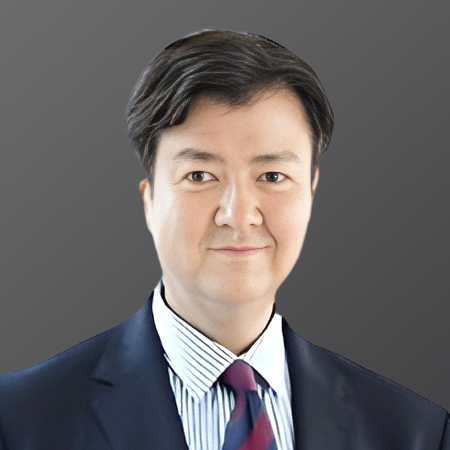
Senior Advisor, PwC Hong Kong

Adjunct Professor

Adjunct Associate Professor
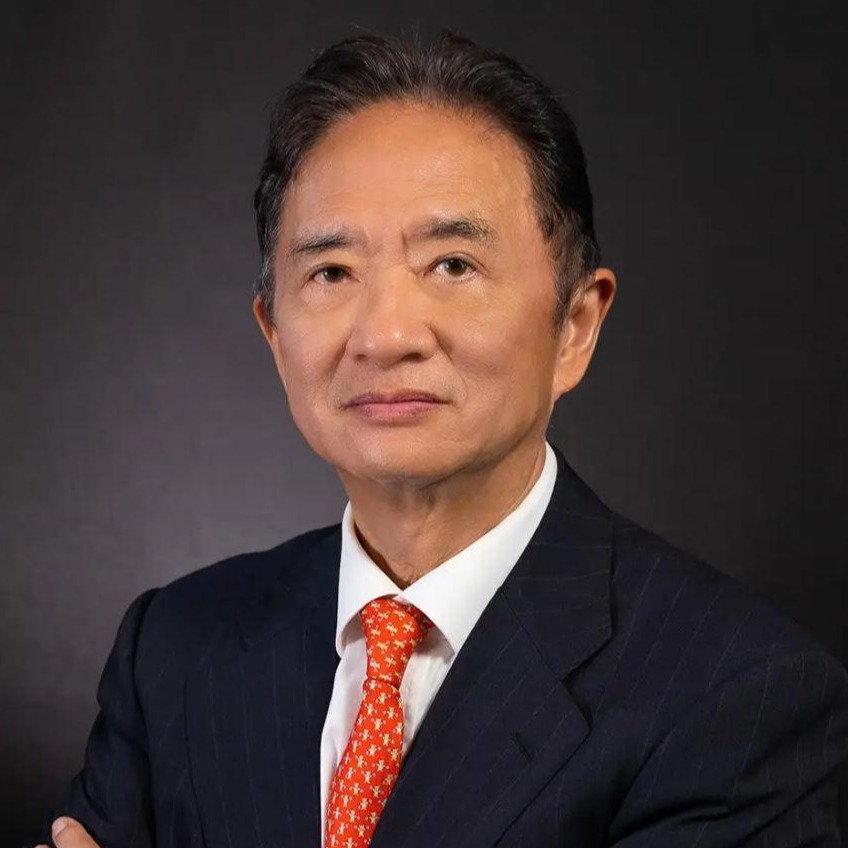
Honorary Professor

Adjunct Associate Professor

Adjunct Associate Professor

Adjunct Associate Professor
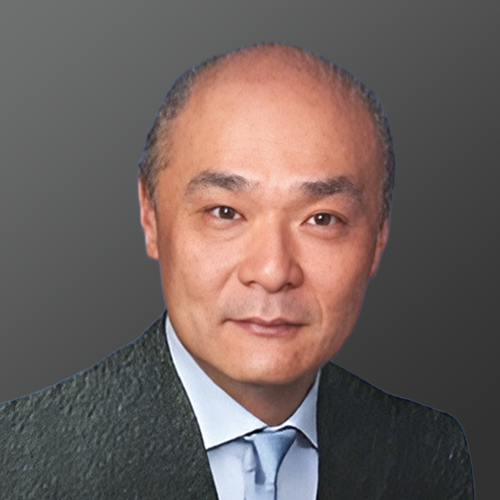
Adjunct Professor
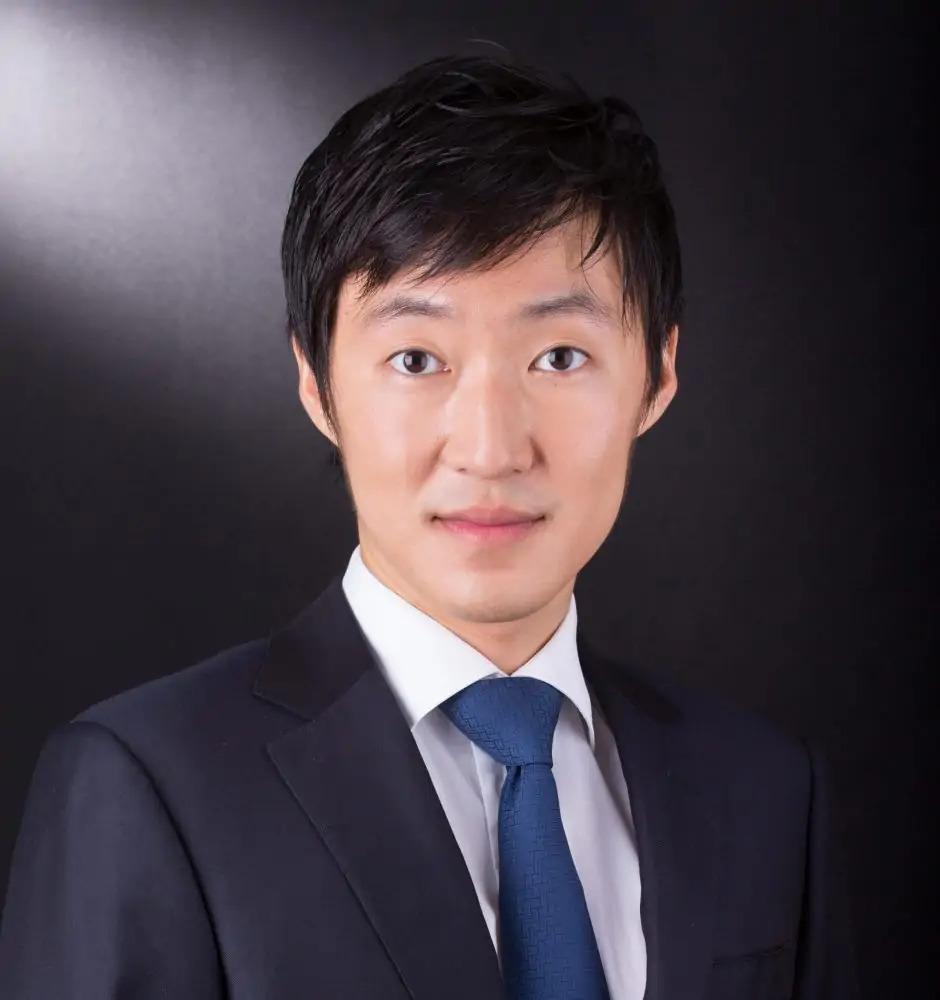
Ph.D., University of Pennsylvania, United States, MWM Programme Director

Ph.D., Vienna Graduate School of Finance (WU Vienna), Austria

Associate Director, Asia Case Research Centre
MFin Programme Director

MWM Deputy Programme Director
Associate Professor of Practice

Adjunct Professor

Professor of Practice and Programme Director of Bachelor of Finance in Asset Management and Private Banking
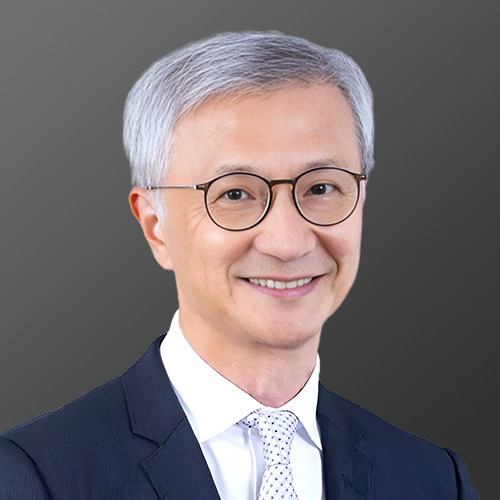
Adjunct Associate Professor

HKU EMBA & IMBA Deputy Programme Director
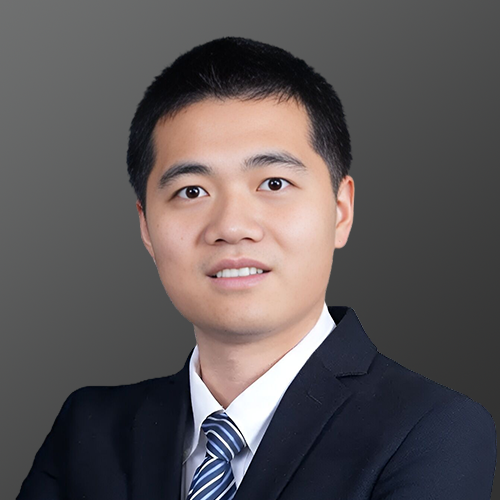
BEcon/BEcon & Fin Deputy Programme Director
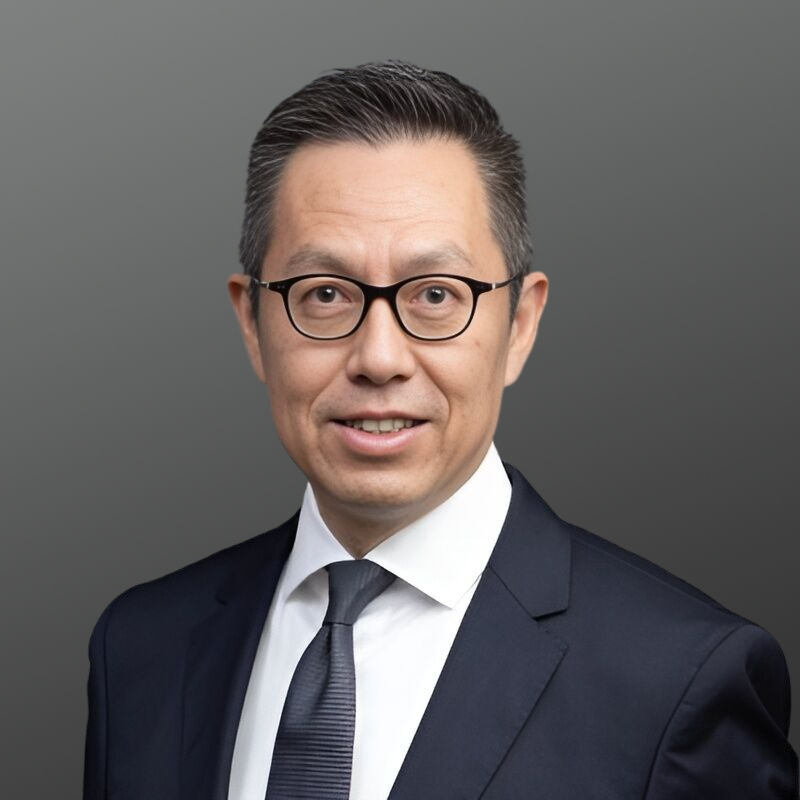
Adjunct Professor
Adjunct Professor
Adjunct Associate Professor
Curriculum Structure
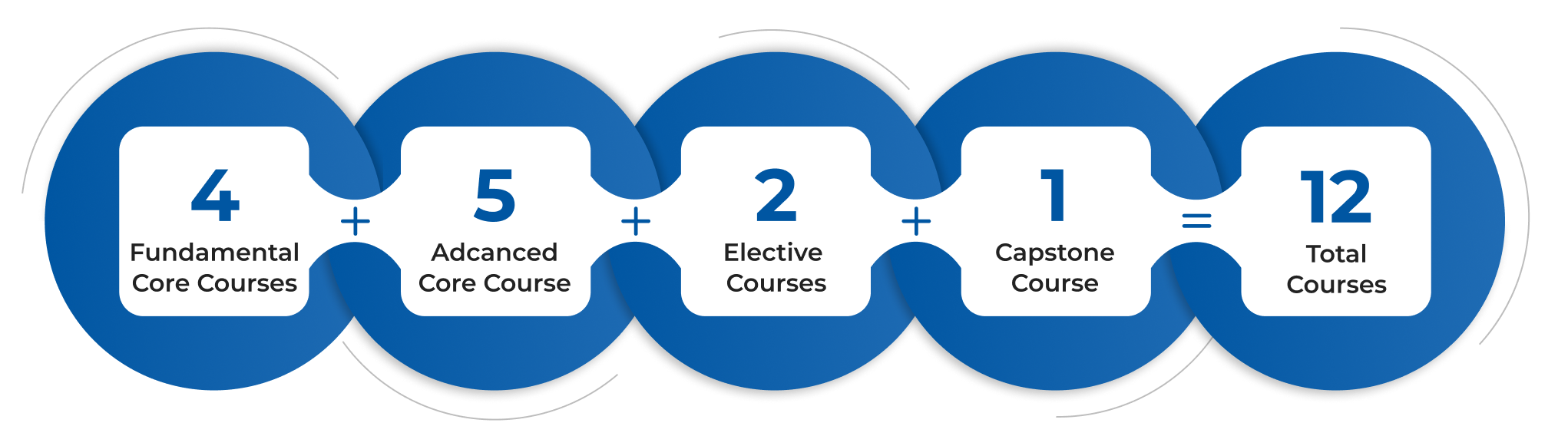
Remark: Not all the courses listed will necessarily be offered each academic year and the listed courses are subject to further adjustments.
This course offers a thorough introduction to wealth management, combining theoretical foundations with a practitioner-focused approach. The curriculum delves into the wealth management process, covering topics such as investment policy statements, asset allocation, portfolio management, risk management, selecting investment managers, client goals and constraints, client relationship management, family business, and behavioral finance. Additionally, the course provides an overview of the wealth management industry in Hong Kong and Mainland China.
This course aims to provide candidates with understanding of (i) fundamental knowledge for asset valuation, (ii) portfolio management techniques for risk management and speculation. (iii) investment strategies adopted in financial market, and (iv) the recent development of portfolio management tools and investment strategies. On the theoretical side, this course introduces fundamental knowledge for asset pricing, investment strategies, and portfolio management. On the practical side, this course covers recent topics that are related to the investment strategies and portfolio management in both Hong Kong and United States. Some projects about portfolio management and asset valuation are specially designed to let candidates apply the theoretical knowledge into practice. This course is highly recommended for candidates who intend to pursue a career or further studies in investment strategies and portfolio management. Of course, the knowledge will also be very useful when candidates make their own personal investment decision.
Note: This course is not open to candidates who have taken or are taking MFIN7002.
This course provides an introduction to corporate and entrepreneurial finance, aiming to equip students with the essential concepts and tools for making informed financial decisions based on modern financial theory. The curriculum covers topics such as discounted cash flow techniques, corporate capital budgeting, valuation, and capital asset pricing. While corporate finance concentrates on the financial management of existing businesses, entrepreneurial finance focuses on value creation and resource allocation in new ventures. The course explores various stages of a venture's life cycle, from startup to exit, and delves into aspects such as deal structures, and initial public offerings. This comprehensive approach ensures students gain a solid understanding of financial decision-making in both established and emerging enterprises.
This course offers a framework for understanding the current state of the economy, macroeconomic policy, and their impact on asset markets. The curriculum covers topics such as the determinants of economic growth, employment, interest rates, monetary policy, inflation, market liquidity, exchange rates, capital flows and geopolitics. Gaining insights into global macroeconomic dynamics is essential for asset and wealth managers. The course also examines the performance of various asset markets across business cycles and during financial crises, providing crucial knowledge for strategic asset allocation.
Course Exemption
Course exemption of up to two required courses, except the capstone course, may be granted (normally by examination) if candidates:
1. Can produce evidence, such as transcript and course syllabus, that a course is equivalent in content to another course taken elsewhere for which a satisfactory grade has been obtained; or
2. Are holding relevant professional qualifications which were obtained before admission to the curriculum.
No credits will be given for the exempted course and candidates shall be required to take an approved alternative course of the same credit value.
Advanced Standing
Advanced standing of up to two required courses, except the capstone course, may be granted if:
1. The course is completed at a graduate, postgraduate or master level from a recognised curriculum elsewhere within the last four years before admission to the curriculum and a good grade in the course was achieved; or
2. The candidate possesses a relevant professional qualification which was obtained before admission to the curriculum.
In such cases, no replacement courses will be required and the tuition fees will be adjusted accordingly.
Applications for course exemption and advanced standing are subject to the approval of the Master of Wealth Management Programme Director and committees concerned.
You can take up to two electives from the Master of Accounting, Master of Accounting Analytics, Master of Artificial Intelligence in Business, Master of Economics, Master of Finance, Master of Finance in Financial Technology, Master of Global Management, Master of Science in Business Analytics, Master of Science in Marketing or Master of Wealth Management programme at HKU. Enrollment in electives from other programmes is subject to seat availability and approval by the Programme Directors concerned based on your profile, capabilities and performance in the MSAF programme.
Since enrollment in other taught postgraduate electives is not guaranteed, you should always choose two MSAF electives during the course enrollment in our programme. Course enrollment results of other programmes may only be confirmed after that course has started. If your enrollment is successful, you can drop the MSAF elective(s) and enroll in the other taught postgraduate elective(s).
It is your responsibility to make sure you obtain enough credits to fulfill the graduation requirements and there is no overlapping of classes and exams in courses from different programmes.
*The list of available electives from other programmes may have prerequisite requirement(s) and is subject to change for future intakes.
Course Exemption
Course exemption of up to two required courses, except the capstone course, may be granted (normally by examination) if candidates:
1. Can produce evidence, such as transcript and course syllabus, that a course is equivalent in content to another course taken elsewhere for which a satisfactory grade has been obtained; or
2. Are holding relevant professional qualifications which were obtained before admission to the curriculum.
No credits will be given for the exempted course and candidates shall be required to take an approved alternative course of the same credit value.
Advanced Standing
Advanced standing of up to two required courses, except the capstone course, may be granted if:
1. The course is completed at a graduate, postgraduate or master level from a recognised curriculum elsewhere within the last four years before admission to the curriculum and a good grade in the course was achieved; or
2. The candidate possesses a relevant professional qualification which was obtained before admission to the curriculum.
In such cases, no replacement courses will be required and the tuition fees will be adjusted accordingly.
Applications for course exemption and advanced standing are subject to the approval of the Master of Wealth Management Programme Director and committees concerned.
Remark: Not all the courses listed will necessarily be offered each academic year and the listed courses are subject to further adjustments.
Course Exemption
Course exemption of up to two required courses, except the capstone course, may be granted (normally by examination) if candidates:
1. Can produce evidence, such as transcript and course syllabus, that a course is equivalent in content to another course taken elsewhere for which a satisfactory grade has been obtained; or
2. Are holding relevant professional qualifications which were obtained before admission to the curriculum.
No credits will be given for the exempted course and candidates shall be required to take an approved alternative course of the same credit value.
Advanced Standing
Advanced standing of up to two required courses, except the capstone course, may be granted if:
1. The course is completed at a graduate, postgraduate or master level from a recognised curriculum elsewhere within the last four years before admission to the curriculum and a good grade in the course was achieved; or
2. The candidate possesses a relevant professional qualification which was obtained before admission to the curriculum.
In such cases, no replacement courses will be required and the tuition fees will be adjusted accordingly.
Applications for course exemption and advanced standing are subject to the approval of the Master of Wealth Management Programme Director and committees concerned.
You can take up to two electives from the Master of Accounting, Master of Accounting Analytics, Master of Artificial Intelligence in Business, Master of Economics, Master of Finance, Master of Finance in Financial Technology, Master of Global Management, Master of Science in Business Analytics, Master of Science in Marketing or Master of Wealth Management programme at HKU. Enrollment in electives from other programmes is subject to seat availability and approval by the Programme Directors concerned based on your profile, capabilities and performance in the MSAF programme.
Since enrollment in other taught postgraduate electives is not guaranteed, you should always choose two MSAF electives during the course enrollment in our programme. Course enrollment results of other programmes may only be confirmed after that course has started. If your enrollment is successful, you can drop the MSAF elective(s) and enroll in the other taught postgraduate elective(s).
It is your responsibility to make sure you obtain enough credits to fulfill the graduation requirements and there is no overlapping of classes and exams in courses from different programmes.
*The list of available electives from other programmes may have prerequisite requirement(s) and is subject to change for future intakes.
Course Exemption
Course exemption of up to two required courses, except the capstone course, may be granted (normally by examination) if candidates:
1. Can produce evidence, such as transcript and course syllabus, that a course is equivalent in content to another course taken elsewhere for which a satisfactory grade has been obtained; or
2. Are holding relevant professional qualifications which were obtained before admission to the curriculum.
No credits will be given for the exempted course and candidates shall be required to take an approved alternative course of the same credit value.
Advanced Standing
Advanced standing of up to two required courses, except the capstone course, may be granted if:
1. The course is completed at a graduate, postgraduate or master level from a recognised curriculum elsewhere within the last four years before admission to the curriculum and a good grade in the course was achieved; or
2. The candidate possesses a relevant professional qualification which was obtained before admission to the curriculum.
In such cases, no replacement courses will be required and the tuition fees will be adjusted accordingly.
Applications for course exemption and advanced standing are subject to the approval of the Master of Wealth Management Programme Director and committees concerned.
Remark: Not all the courses listed will necessarily be offered each academic year and the listed courses are subject to further adjustments.
This course provides a comprehensive understanding of the IPO process, regulatory frameworks, and market dynamics in major financial markets in mainland China and Hong Kong. The course starts with the historical development of IPOs in the region, examining key drivers, trends, and challenges faced by companies seeking to go public. The course covers essential topics such as IPO planning, valuation methodologies, underwriting, listing rules and requirements, as well as post-IPO performance evaluation. In addition, the course explores the impact of government policies, market reforms, and international factors on IPOs in both markets, highlighting the role of various stakeholders such as regulators, underwriters, investors, and advisors.
The course offers a thorough discussion on the mechanisms, challenges, and opportunities involved in cross-border financial transactions and investments in mainland China and Hong Kong. It will explore the regulatory frameworks, market structures, and financial instruments that facilitate cross-border capital flows, and the role of offshore vehicle, with a focus on outbound investments. Key topics covered in the course include portfolio investment, external borrowing, foreign direct investment (FDI), project financing, mergers and acquisitions. The course addresses the impact of currency risk, political risk, and regulatory changes on cross-border transactions, as well as the strategies employed by market participants to mitigate these risks.
This course provides a detailed introduction and analysis of tax strategies, regulations, and compliance for high-net-worth individuals. This course aims to equip students with the necessary knowledge and skills to effectively navigate the complexities of tax planning for wealthy individuals and their families. The course covers essential topics such as income tax minimization, capital gains tax management, wealth transfer strategies, international tax planning, and the use of insurance, trusts, and other legal structures. Students will also examine the role of tax havens, tax treaties, and various tax-efficient investment vehicles in optimizing the tax position. The course will emphasize the importance of ethical considerations, regulatory compliance, and risk management in tax planning, while fostering a strong understanding of the changing tax landscape and its impact on financial planning.
This course is designed to provide students an opportunity to acquire first-hand knowledge of international business environment. Experiential learning and knowledge exchange will be applied throughout the study field trip to develop students’ understanding of international business environment in a different cultural context and help them construct a global perspective. Firm visits and cultural related activities will be arranged during the study field trip to arouse students’ awareness in cultural diversity and enhance their understanding of how culture can impact international business strategy.
Note: This course is not open to candidates who have taken or are taking MACC7025, ECON6100, MFIN7057, PMGM7016, MSBA7034 or MSMK7020.
This comprehensive course empowers ambitious students to excel in the high-stakes domains of alternative investments, private wealth management, and business growth strategy. As financial institutions pursue new revenue streams and corporations seek dynamic expansion, this programme equips students with the powerful strategies needed to thrive in these rapidly evolving industries. Students will immerse themselves in the exciting world of alternative investments, exploring private credit, private equity, hedge funds, real estate, infrastructure, renewable energy, and sustainable investments. Students will gain mastery over the technical intricacies of these investments and understand their essential roles within a client’s portfolio, ensuring they are fully prepared to drive wealth growth with confidence. Simultaneously, students will cultivate expertise in business development and revenue growth strategies, acquiring invaluable insights into innovative business models, institutional and wealth client engagement, negotiation, and deal-closing techniques with versatile real-world applications.
This course offers a practical exploration of key trends, cutting-edge strategies, and opportunities in the dynamic field of asset management. Designed for future-oriented wealth management professionals, the module emphasizes industry insights into topics such as investors, family offices, sustainable investing, alternative assets, fintech, and the evolving regulatory landscape. Through case studies, expert guest speakers, and interactive discussions, students will develop a comprehensive understanding of the shifting global investment environment. Emphasis is placed on evaluating real world developments and their implications for institutional and private asset managers operating across diverse markets, with a particular focus on Asia.
This course provides an in‑depth examination of family offices as sophisticated organizations managing multi‑generational wealth. Students will explore governance structures, investment strategy, risk management, succession planning, philanthropy, and family dynamics. Emphasis is placed on aligning financial objectives with family values, managing complex stakeholder relationships, and navigating regulatory and cross‑border considerations. Through case studies and practitioner perspectives, participants develop practical insights into designing, operating, and advising single-and multi‑family offices in a global context.
Up to two elective courses may be taken from other taught postgraduate programmes offered by the School, subject to availability and review by the Programme Director based on students’ profile, capabilities, and performance in the Master of Wealth Management programme.
Course Exemption
Course exemption of up to two required courses, except the capstone course, may be granted (normally by examination) if candidates:
1. Can produce evidence, such as transcript and course syllabus, that a course is equivalent in content to another course taken elsewhere for which a satisfactory grade has been obtained; or
2. Are holding relevant professional qualifications which were obtained before admission to the curriculum.
No credits will be given for the exempted course and candidates shall be required to take an approved alternative course of the same credit value.
Advanced Standing
Advanced standing of up to two required courses, except the capstone course, may be granted if:
1. The course is completed at a graduate, postgraduate or master level from a recognised curriculum elsewhere within the last four years before admission to the curriculum and a good grade in the course was achieved; or
2. The candidate possesses a relevant professional qualification which was obtained before admission to the curriculum.
In such cases, no replacement courses will be required and the tuition fees will be adjusted accordingly.
Applications for course exemption and advanced standing are subject to the approval of the Master of Wealth Management Programme Director and committees concerned.
Remark: Not all the courses listed will necessarily be offered each academic year and the listed courses are subject to further adjustments.
In this course, students are expected to apply the core investment, valuation and portfolio theories, analytical/advisory tools and asset management knowledge, including risk management and regulatory compliance, into analyzing asset and private wealth management business cases. The classroom lectures will use various case studies to illustrate the different areas of issues identified as well as capturing the most contemporary trends of the wealth management industry. Students are expected to challenge the dynamics of the cases and form an analytical framework in approaching the issues. The classroom lectures aim to provide insights to the students and guide them through their thinking and analytical ability in tackling the project assignments. As this is a Capstone course focusing on application of essential knowledge of technical and business skills, students are expected to do research/analysis on assigned/selected topic, individually for the mid- term project and in groups for the final-term project. The project(s) will be based on a case, students are expected to come up with recommended investment strategies with strategic asset allocation and tactical strategies in light of client’s investment objectives, client’s profile, suitability requirements, global investment outlook and risks dynamics. Furthermore, various business aspects (such as product development, sales, distribution, marketing and operations) should also be taken into account.
This course aims at bridging academic learning with real-world applications, equipping students for their future careers through practical problem-solving. This course allows students to integrate and apply the knowledge and techniques that they have learned in previous courses in a business project. Teams of student will carry out business projects using real-world data and have the opportunity to be involved in different stages in a business project, including project planning and management, strategy setting, model building, data analysis and interpretation, and result presentation. In the process students will become familiar with the use of analytics tools and managerial skills in business projects. This course will provide a dynamic and student-centered experience that fosters real-world engagement and career readiness.
You can take up to two electives from the Master of Accounting, Master of Accounting Analytics, Master of Artificial Intelligence in Business, Master of Economics, Master of Finance, Master of Finance in Financial Technology, Master of Global Management, Master of Science in Business Analytics, Master of Science in Marketing or Master of Wealth Management programme at HKU. Enrollment in electives from other programmes is subject to seat availability and approval by the Programme Directors concerned based on your profile, capabilities and performance in the MSAF programme.
Since enrollment in other taught postgraduate electives is not guaranteed, you should always choose two MSAF electives during the course enrollment in our programme. Course enrollment results of other programmes may only be confirmed after that course has started. If your enrollment is successful, you can drop the MSAF elective(s) and enroll in the other taught postgraduate elective(s).
It is your responsibility to make sure you obtain enough credits to fulfill the graduation requirements and there is no overlapping of classes and exams in courses from different programmes.
*The list of available electives from other programmes may have prerequisite requirement(s) and is subject to change for future intakes.
Course Exemption
Course exemption of up to two required courses, except the capstone course, may be granted (normally by examination) if candidates:
1. Can produce evidence, such as transcript and course syllabus, that a course is equivalent in content to another course taken elsewhere for which a satisfactory grade has been obtained; or
2. Are holding relevant professional qualifications which were obtained before admission to the curriculum.
No credits will be given for the exempted course and candidates shall be required to take an approved alternative course of the same credit value.
Advanced Standing
Advanced standing of up to two required courses, except the capstone course, may be granted if:
1. The course is completed at a graduate, postgraduate or master level from a recognised curriculum elsewhere within the last four years before admission to the curriculum and a good grade in the course was achieved; or
2. The candidate possesses a relevant professional qualification which was obtained before admission to the curriculum.
In such cases, no replacement courses will be required and the tuition fees will be adjusted accordingly.
Applications for course exemption and advanced standing are subject to the approval of the Master of Wealth Management Programme Director and committees concerned.
Professional Partnerships

Partnership with Private Wealth Management Association (PWMA)
At PWMA, we see the HKU Master of Wealth Management programme as an important contributor to the development of future talent in our industry. The curriculum, developed in consultation with PWMA and seasoned private wealth practitioners, offers a well-rounded blend of academic knowledge and practical skills in client engagement, regulatory understanding, and financial planning.
Hong Kong’s private banking and wealth management sector continues to grow, with 15% AUM growth and HK$384 billion in net fund inflows recorded in 2024. As the city is poised to become the world’s leading cross-border wealth hub, programmes like HKU’s play a meaningful role in preparing professionals to meet the evolving needs of clients across the region.
We’re pleased to support this initiative and look forward to seeing its graduates contribute to the continued success and global standing of Hong Kong’s wealth management industry.

Partnership with FRM Academic Partner of GARP - Master of Finance
The HKU Master of Finance has been added to the Global Association of Risk Professionals (GARP) Partnership for Risk Education. GARP is a globally recognised organisation dedicated to preparing professionals and organisations to make better-informed risk decisions. The academic partnership with GARP proves that our efforts in providing the best financial education are highly recognised. The alignment with GARP signals to students and their potential employers that our Master of Finance curriculum is closely tied to the market and is well-suited to prepare students for the demand of the global financial industry.
“GARP is very pleased to announce the addition of The University of Hong Kong to the GARP Partnership for Risk Education. The Master of Finance offered by The University of Hong Kong is a rigorous, well regarded programme. The interdisciplinary nature of the curriculum offered provides a solid theoretical as well as practical foundation for its students, ensuring they will be well positioned to pursue the FRM designation and to assume strategic roles within the global risk management profession.”
— Dr. Chris Donohue, Managing Director – Head of Research & Educational Programs, GARP
Students of the MFin programme are eligible for the GARP scholarship programme, which shall cover the registration fee for the FRM Examination Part I.
® University Affiliation Program is a registered trademark owned by CFA Institute.
Class Profile
Previous Employers
- AIA
- Bank of China
- BCG
- China International Capital Corporation Limited
- CITIC Securities
- Deutsche Bank
- EY
- Frost & Sullivan
- Guotai Junan Securities
- Haitong Securities
- Huatai Securities
- Huatai United Securities
- ICBC Asia Private Banking
- KPMG
- Publicis Groupe
- PwC
- Shenzhen Stock Exchange
- The Investment Association of China